






In language learning, mastering the use of superlatives is crucial for effective communication. Superlatives allow us to express the highest degree of a quality among three or more items. They are an essential component of everyday conversation, writing, and even in formal settings. Understanding how to form and use regular superlatives correctly can significantly enhance your language skills.
What Are Superlatives?
Superlatives are forms of adjectives or adverbs that express the highest degree of a quality. For example, in the set of adjectives “big, bigger, biggest,” the word “biggest” is the superlative form. It indicates that one item possesses the greatest degree of the quality “big” compared to others in the group.
Superlatives are often used to:
– Compare more than two items.
– Highlight the extreme quality of one item among a group.
– Emphasize uniqueness or superiority.
Formation of Regular Superlatives
The formation of superlatives in English depends on the number of syllables in the adjective or adverb. Let’s break this down into manageable parts:
One-Syllable Adjectives
For adjectives with one syllable, forming the superlative is straightforward. Simply add “-est” to the end of the adjective. Here are some examples:
– Tall becomes tallest.
– Fast becomes fastest.
– Small becomes smallest.
However, if the adjective ends in a single vowel followed by a single consonant, double the final consonant before adding “-est”:
– Big becomes biggest.
– Hot becomes hottest.
Two-Syllable Adjectives Ending in -y
For two-syllable adjectives ending in -y, replace the -y with -iest:
– Happy becomes happiest.
– Busy becomes busiest.
– Easy becomes easiest.
Two-Syllable and Longer Adjectives
For adjectives with two syllables (not ending in -y) or more, use “most” before the adjective:
– Careful becomes most careful.
– Beautiful becomes most beautiful.
– Interesting becomes most interesting.
Irregular Superlatives
While the focus here is on regular superlatives, it’s worth noting that some adjectives have irregular superlative forms. These must be memorized as they don’t follow the usual rules:
– Good becomes best.
– Bad becomes worst.
– Far becomes farthest (or furthest).
Using Superlatives in Sentences
Correct usage of superlatives involves more than just forming them correctly. It’s also about placing them appropriately within a sentence. Here are some examples to illustrate this:
Attributive Use
When the superlative adjective is used before a noun:
– She is the tallest girl in the class.
– This is the most beautiful painting in the museum.
Predicative Use
When the superlative adjective is used after a linking verb (such as “is” or “seems”):
– He is the fastest among all the runners.
– That story was the most interesting I have ever heard.
Superlatives in Questions
Superlatives can also be used in questions to compare items:
– Who is the smartest student in your class?
– What is the most delicious dish you’ve ever tasted?
Prepositions with Superlatives
Superlatives are often used with prepositions such as “in” or “of” to specify the group being compared:
– She is the best singer in the choir.
– This is the most expensive car of all.
Practical Tips for Mastering Superlatives
Practice makes perfect, and mastering superlatives is no different. Here are some practical tips to help you get better at using them:
Read Extensively
Reading books, articles, and other written materials exposes you to the correct usage of superlatives. Pay attention to how authors use superlatives in various contexts.
Write Regularly
Practice writing sentences and paragraphs using superlatives. This could be in the form of journaling, essays, or even social media posts. The more you write, the more natural it will become.
Engage in Conversations
Engage in conversations with native speakers or fellow learners. Make a conscious effort to use superlatives in your discussions. This will help you become more comfortable and confident.
Use Language Learning Apps
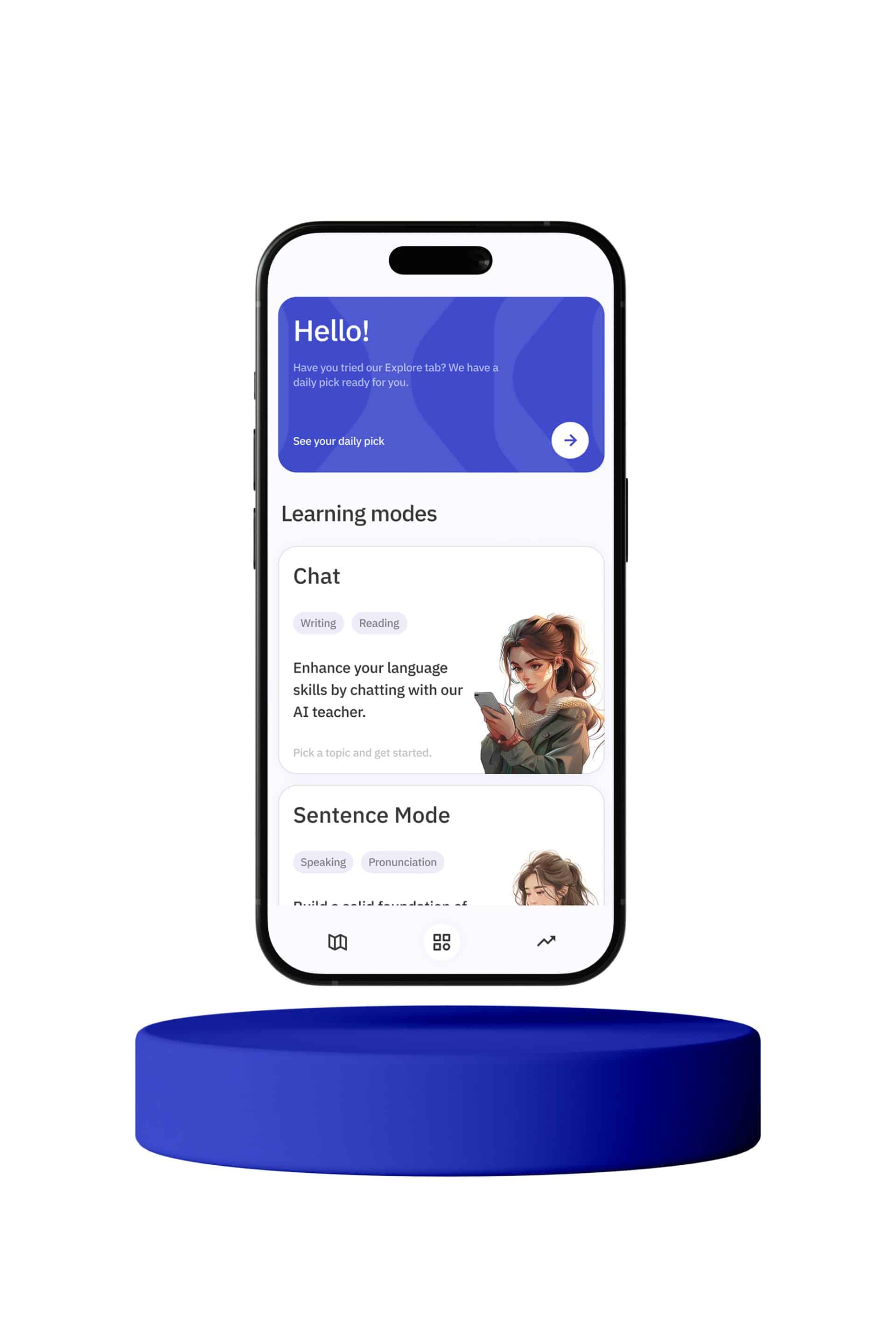
Many language learning apps offer exercises and quizzes focused on grammar points, including superlatives. These can provide immediate feedback and help reinforce your understanding.
Seek Feedback
Don’t hesitate to ask for feedback from teachers, friends, or language partners. Constructive criticism can help you identify and correct mistakes.
Common Mistakes to Avoid
While learning to use superlatives, it’s important to be aware of common mistakes that learners often make. Here are some pitfalls to watch out for:
Double Comparatives and Superlatives
Avoid using double comparatives or superlatives, such as “more better” or “most fastest.” Stick to the correct form:
– Incorrect: She is the most smartest student.
– Correct: She is the smartest student.
Incorrect Formation
Ensure that you are forming the superlative correctly based on the number of syllables:
– Incorrect: He is the most tall in the group.
– Correct: He is the tallest in the group.
Inconsistent Use
Be consistent in using superlatives within the same context. Mixing comparatives and superlatives can confuse the meaning:
– Incorrect: This is the most beautiful and tallest building.
– Correct: This is the most beautiful and the tallest building.
Using Superlatives with “Than”
Superlatives should not be used with “than.” Comparatives are used for this purpose:
– Incorrect: She is the smartest than all her classmates.
– Correct: She is the smartest of all her classmates.
Superlatives in Different Contexts
Superlatives are used in various contexts, from casual conversations to formal writing. Let’s explore some specific contexts where superlatives are commonly used:
Everyday Conversations
In daily interactions, superlatives help us express opinions, preferences, and observations:
– That was the best movie I’ve ever seen.
– You have the nicest house in the neighborhood.
Academic Writing
In academic writing, superlatives are used to emphasize research findings, arguments, or comparisons:
– This study presents the most comprehensive analysis of the data.
– The highest concentration of the substance was observed in sample A.
Business and Professional Settings
In business communication, superlatives can highlight achievements, qualities, or products:
– Our company offers the most reliable services in the industry.
– She is the most experienced candidate for the job.
Marketing and Advertising
Superlatives are powerful tools in marketing and advertising to attract customers and promote products:
– Experience the ultimate comfort with our new mattress.
– This is the most affordable smartphone on the market.
Advanced Usage of Superlatives
As you become more proficient in using superlatives, you can explore advanced usage and nuances. Here are some aspects to consider:
Expressing Modesty or Softening Statements
Sometimes, superlatives can be softened to sound more modest or polite. This is often done using phrases like “one of the” or “among the”:
– She is one of the best students in the class.
– This is among the most interesting books I’ve read.
Using Superlatives with Limiting Adjectives
Limiting adjectives such as “only,” “first,” or “last” can be combined with superlatives for emphasis:
– She is the only person who scored full marks.
– This is the first and best solution to the problem.
Comparing Superlatives
In some cases, you might need to compare superlatives themselves. This can be done using phrases like “by far” or “easily”:
– This is by far the most challenging project I’ve worked on.
– He is easily the best player on the team.
Regional Variations
Be aware that there might be regional variations in the use of superlatives. For example, British English and American English sometimes differ in usage:
– British: She is the cleverest student in the class.
– American: She is the most clever student in the class.
Conclusion
Mastering regular superlatives is an essential step in becoming proficient in English. By understanding the rules of formation, practicing their use in various contexts, and being aware of common mistakes, you can effectively incorporate superlatives into your language repertoire. Remember, language learning is a continuous process, and regular practice will help you gain confidence and fluency. So, keep practicing, and soon you’ll be using superlatives with ease and precision.