
Pick a language and start learning!






Using various tenses in narration Exercises in Italian language

Mastering various tenses in Italian is crucial for effective and engaging narration. Whether recounting past events, describing ongoing actions, or speculating about the future, the ability to choose and use the correct tense enriches your storytelling and ensures clarity. Italian, like English, has a range of tenses that serve different narrative purposes. By understanding and practicing these tenses, you can enhance your language skills and communicate more nuanced and vivid stories.
This page offers a series of grammar exercises designed to help you practice and perfect your use of Italian tenses in narration. From the passato prossimo and imperfetto for past events to the presente and futuro semplice for current and future actions, these exercises will guide you through the complexities of Italian verb conjugation and usage. By engaging with these exercises, you'll build a solid foundation in Italian tenses, enabling you to narrate with confidence and precision.
Exercise 1
<p>1. Marco *ha comprato* una nuova macchina (past tense of "comprare").</p>
<p>2. Domani *andrò* al mare con i miei amici (future tense of "andare").</p>
<p>3. Ogni giorno Giulia *legge* il giornale (present tense of "leggere").</p>
<p>4. Ieri sera, mentre *guardavo* la TV, è suonato il telefono (imperfect tense of "guardare").</p>
<p>5. Se *avessi* più tempo, imparerei a suonare il pianoforte (subjunctive imperfect of "avere").</p>
<p>6. Quando *sarà* più grande, Luca vorrà diventare medico (future tense of "essere").</p>
<p>7. La scorsa estate noi *siamo andati* in vacanza in Spagna (past tense of "andare").</p>
<p>8. L'anno prossimo *studierò* all'università di Roma (future tense of "studiare").</p>
<p>9. Ogni mattina, Maria *beve* un caffè prima di andare al lavoro (present tense of "bere").</p>
<p>10. Se avessi saputo, *sarei venuto* prima (conditional perfect of "venire").</p>
Exercise 2
<p>1. I *ho mangiato* un gelato ieri (past tense of "mangiare").</p>
<p>2. Domani *andrò* al cinema con i miei amici (future tense of "andare").</p>
<p>3. Quando ero piccolo, *giocavo* sempre al parco (imperfect tense of "giocare").</p>
<p>4. Se *avessi* tempo, verrei con te (imperfect subjunctive of "avere").</p>
<p>5. Oggi, *sto leggendo* un libro molto interessante (present continuous of "leggere").</p>
<p>6. Non so se lui *sia arrivato* in tempo (present subjunctive perfect of "arrivare").</p>
<p>7. Quando *sarai* pronto, possiamo partire (future tense of "essere").</p>
<p>8. Se *fosse* stato più attento, non avrebbe fatto quell'errore (imperfect subjunctive of "essere").</p>
<p>9. Ogni estate, *andavamo* in vacanza in montagna (imperfect tense of "andare").</p>
<p>10. Se *venissi* con me, saresti felice (imperfect subjunctive of "venire").</p>
Exercise 3
<p>1. Ieri, Maria *ha visto* un film interessante (past tense of "vedere").</p>
<p>2. Domani, noi *andremo* al mare con gli amici (future tense of "andare").</p>
<p>3. Quando ero bambino, *giocavo* spesso a calcio con mio fratello (imperfect tense of "giocare").</p>
<p>4. Se lui *studiasse* di più, avrebbe voti migliori (subjunctive imperfect of "studiare").</p>
<p>5. Mentre *cucinavo*, il telefono ha squillato (imperfect tense of "cucinare").</p>
<p>6. Credo che tu *sia* molto intelligente (subjunctive present of "essere").</p>
<p>7. La prossima settimana, loro *partiranno* per le vacanze (future tense of "partire").</p>
<p>8. Se avessi saputo, *sarei venuto* alla festa (conditional past of "venire").</p>
<p>9. Ogni estate, noi *andavamo* in montagna (imperfect tense of "andare").</p>
<p>10. Stasera, io *cenerò* al ristorante con la mia famiglia (future tense of "cenare").</p>
5x Faster Language Learning with AI
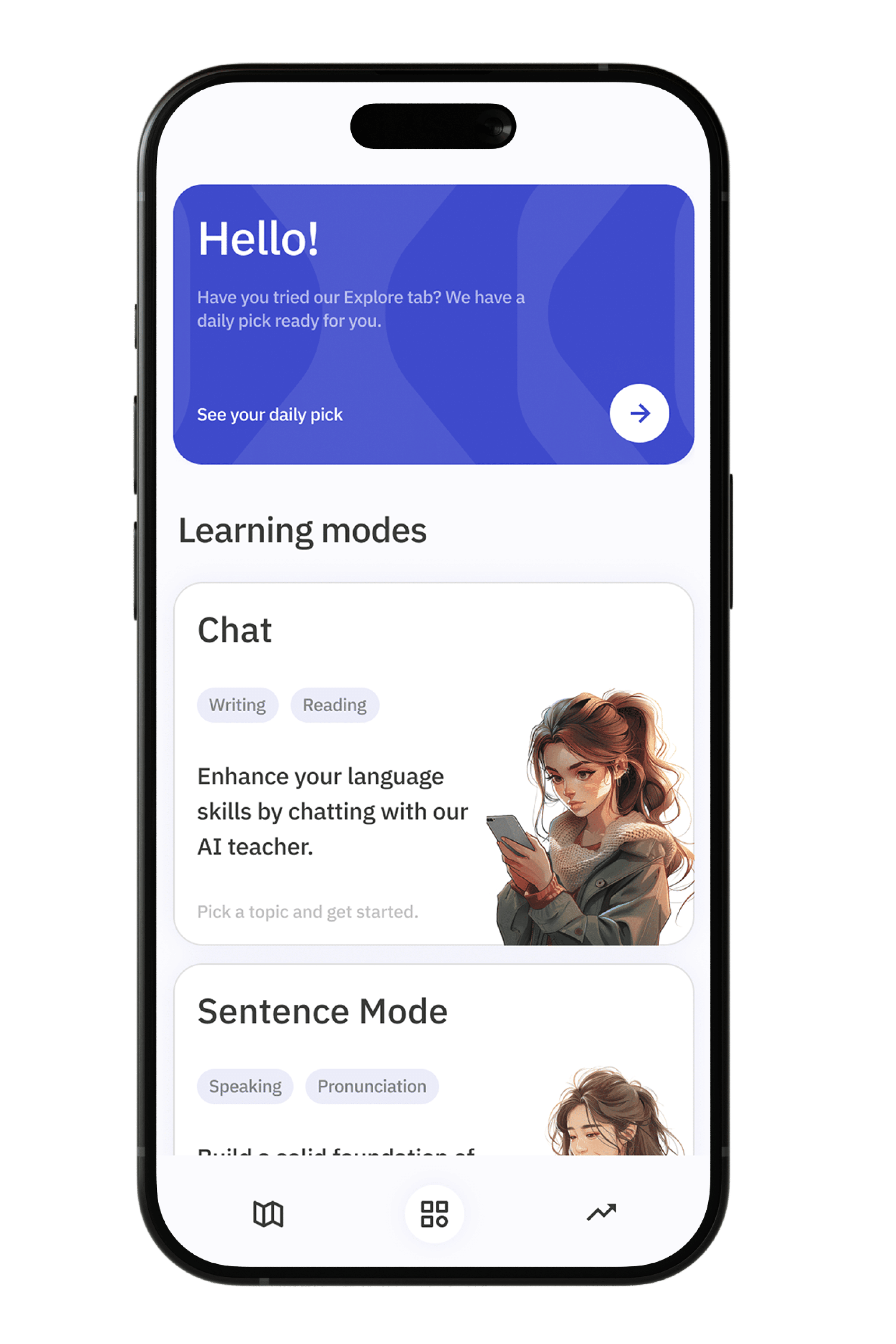
Talkpal is AI-powered language tutor. Learn 57+ languages 5x faster with innovative technology.