
Pick a language and start learning!






Using the aorist tense Exercises in Turkish language

The aorist tense in Turkish is a fascinating and unique aspect of the language, often challenging for English speakers to master due to its distinctive usage and formation. Unlike the simple past tense in English, which refers to a specific completed action, the aorist tense in Turkish is used to describe habitual actions or general truths that are not bound to a specific time frame. For instance, the sentence "Ben her gün yürürüm" translates to "I walk every day," indicating a regular activity rather than a one-time event. Understanding the nuances of the aorist tense is essential for achieving fluency and conveying the correct temporal context in everyday conversations.
In Turkish, the aorist tense is formed by attaching specific suffixes to the verb stem, which can vary depending on vowel harmony and consonant changes. This tense is particularly useful for expressing routines, timeless facts, and recurring events, making it a fundamental component of Turkish grammar. For example, "O kitap okur" means "He/She reads books," implying a habitual action rather than a single instance. Through targeted exercises and practice, learners can become adept at using the aorist tense, enhancing their ability to communicate more naturally and accurately in Turkish.
Exercise 1
<p>1. Her sabah saat altıda *kalkarım* (to wake up).</p>
<p>2. O her akşam kitap *okur* (to read).</p>
<p>3. Annem her gün yemek *yapar* (to cook).</p>
<p>4. Biz her hafta sonu sinemaya *gideriz* (to go).</p>
<p>5. O her zaman derslerine *çalışır* (to study).</p>
<p>6. Öğretmen her gün öğrencilere ödev *verir* (to give).</p>
<p>7. Babam her akşam televizyon *izler* (to watch).</p>
<p>8. Arkadaşlarım her cumartesi futbol *oynar* (to play).</p>
<p>9. Her sabah kahvaltıda çay *içerim* (to drink).</p>
<p>10. Kardeşim her gece erken *yatar* (to go to bed).</p>
Exercise 2
<p>1. Ali her sabah saat yedide *kalkar* (to wake up).</p>
<p>2. Ayşe her gün okula *gider* (to go).</p>
<p>3. Onlar her hafta sonu sinemaya *gider* (to go).</p>
<p>4. Kedi her gece saat onda *uyur* (to sleep).</p>
<p>5. Biz yazın plaja *gideriz* (to go).</p>
<p>6. O her sabah kahvaltıda çay *içer* (to drink).</p>
<p>7. Öğretmen her dersin başında öğrencilere *soru sorar* (to ask a question).</p>
<p>8. Ahmet her akşam kitap *okur* (to read).</p>
<p>9. Çocuklar her gün parkta *oynar* (to play).</p>
<p>10. Bahar her pazartesi yoga *yapar* (to do).</p>
Exercise 3
<p>1. Her sabah saat 7'de *kalkarım* (verb for waking up).</p>
<p>2. O kitabı her yaz tatilinde *okurum* (verb for reading).</p>
<p>3. Ben genellikle sabahları *kahvaltı yaparım* (phrase for having breakfast).</p>
<p>4. O her hafta sonu ailesiyle *piknik yapar* (verb for having a picnic).</p>
<p>5. Genellikle akşamları bir saat *koşarım* (verb for running).</p>
<p>6. Annem her gün işten eve *gelir* (verb for arriving).</p>
<p>7. O her gün okuldan sonra *ödev yapar* (verb for doing homework).</p>
<p>8. Ben genellikle hafta sonları *film izlerim* (verb for watching).</p>
<p>9. Her sabah bir fincan kahve *içerim* (verb for drinking).</p>
<p>10. Babam her akşam saat 8'de *yemek yer* (verb for eating).</p>
5x Faster Language Learning with AI
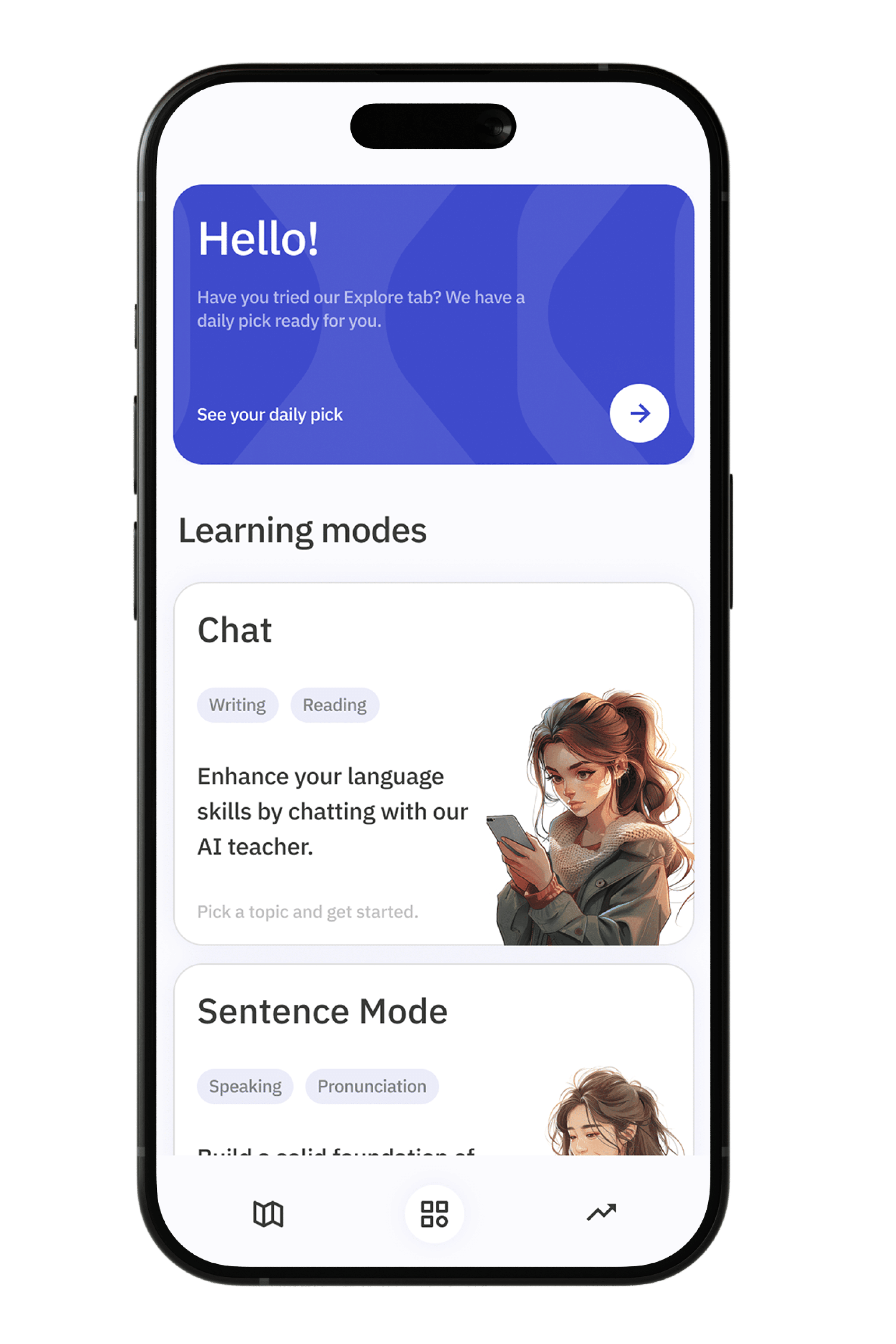
Talkpal is AI-powered language tutor. Learn 57+ languages 5x faster with innovative technology.