Pick a language and start learning!





Using ‘en’ and ‘et’ correctly Exercises in Danish language

Mastering the use of "en" and "et" in Danish is crucial for developing fluency and accuracy in the language. These small but significant words serve as indefinite articles, much like "a" and "an" in English, and their correct usage can greatly impact the clarity and correctness of your sentences. Unlike English, where the choice between "a" and "an" is determined by the phonetic sound that follows, in Danish, "en" and "et" are tied to the gender of the noun they precede. Nouns in Danish are categorized into two grammatical genders: common gender, which uses "en," and neuter gender, which uses "et." Understanding and memorizing which nouns belong to which category is essential for accurate communication.
Our grammar exercises are designed to help you internalize the rules and patterns governing the use of "en" and "et" through a variety of engaging and practical activities. From fill-in-the-blank sentences to more complex contextual usage scenarios, these exercises will provide you with ample practice to reinforce your understanding. By consistently practicing with our curated exercises, you'll develop a more intuitive grasp of Danish noun genders, enabling you to speak and write with greater confidence and precision. Dive in and start mastering this fundamental aspect of Danish grammar today!
Exercise 1
<p>1. Hun har *en* kat (indefinite article for singular noun, common gender).</p>
<p>2. Vi købte *et* hus i går (indefinite article for singular noun, neuter gender).</p>
<p>3. Han fandt *en* nøgle på gaden (indefinite article for singular noun, common gender).</p>
<p>4. Der er *et* træ i haven (indefinite article for singular noun, neuter gender).</p>
<p>5. Jeg så *en* film i biografen i går (indefinite article for singular noun, common gender).</p>
<p>6. De læste *et* brev fra deres ven (indefinite article for singular noun, neuter gender).</p>
<p>7. Hun har købt *en* bil (indefinite article for singular noun, common gender).</p>
<p>8. Vi har *et* møde i morgen (indefinite article for singular noun, neuter gender).</p>
<p>9. De fandt *en* bog på biblioteket (indefinite article for singular noun, common gender).</p>
<p>10. Han har *et* værelse til leje (indefinite article for singular noun, neuter gender).</p>
Exercise 2
<p>1. Jeg har *en* hund (article for a common noun).</p>
<p>2. Vi ser *en* film i aften (article for a common noun).</p>
<p>3. Hun læser *en* bog (article for a common noun).</p>
<p>4. Han købte *et* hus i byen (article for a neuter noun).</p>
<p>5. De har *et* problem med bilen (article for a neuter noun).</p>
<p>6. Vi fandt *en* restaurant i nærheden (article for a common noun).</p>
<p>7. Jeg har brug for *et* glas vand (article for a neuter noun).</p>
<p>8. De købte *en* ny bil (article for a common noun).</p>
<p>9. Hun drikker *et* glas juice (article for a neuter noun).</p>
<p>10. Vi så *en* fugl i haven (article for a common noun).</p>
Exercise 3
<p>1. Jeg har *en* cykel (indefinite article for a bicycle).</p>
<p>2. Vi så *et* egern i parken (indefinite article for a squirrel).</p>
<p>3. Hun købte *en* bog i går (indefinite article for a book).</p>
<p>4. De fandt *et* hus til salg (indefinite article for a house).</p>
<p>5. Han vil gerne have *en* kat (indefinite article for a cat).</p>
<p>6. Vi skal bruge *et* kort for at finde vej (indefinite article for a map).</p>
<p>7. Hun så *en* film i biografen (indefinite article for a movie).</p>
<p>8. Jeg har brug for *et* glas vand (indefinite article for a glass).</p>
<p>9. De købte *en* stol til stuen (indefinite article for a chair).</p>
<p>10. Han maler *et* billede hver weekend (indefinite article for a painting).</p>
5x Faster Language Learning with AI
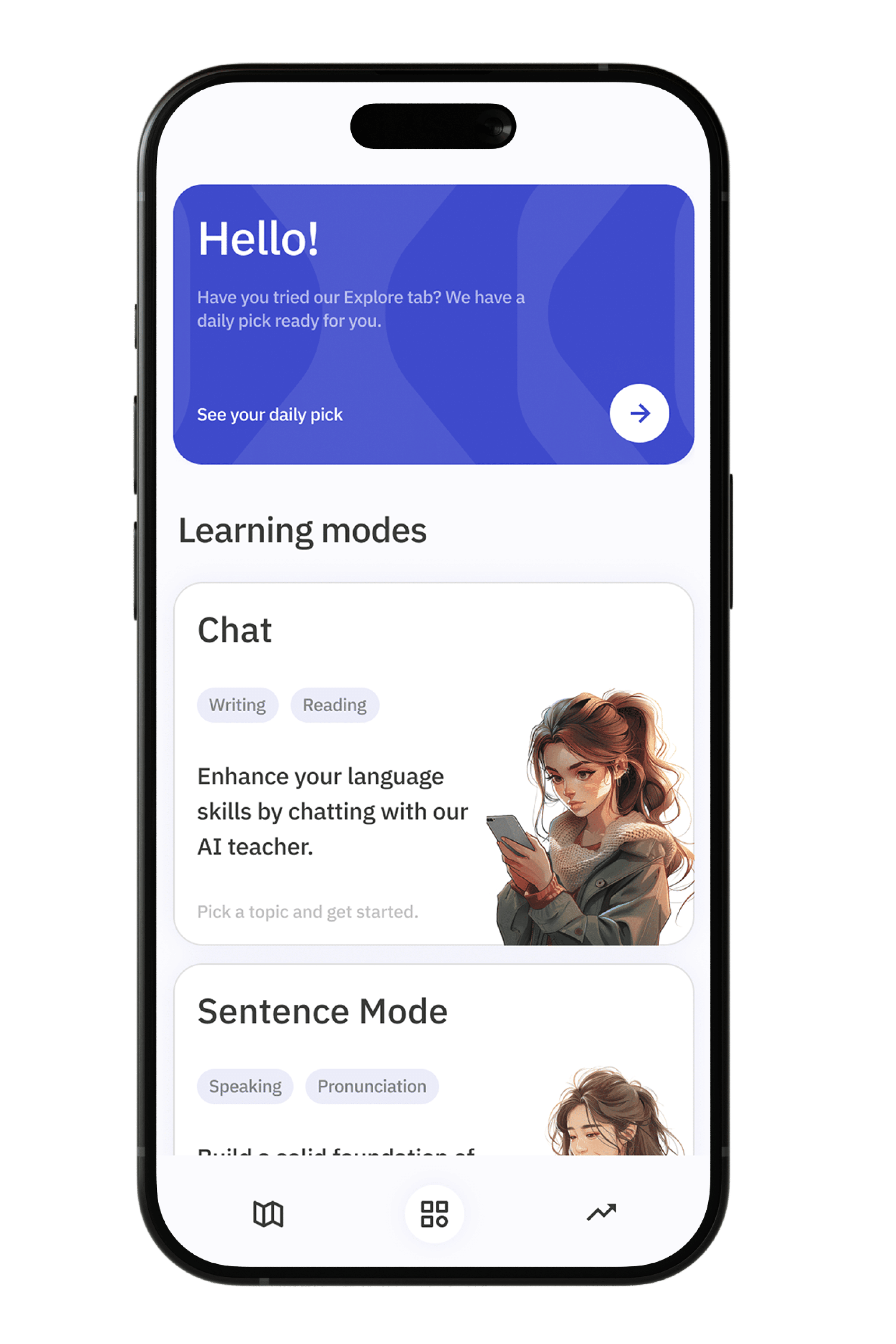
Talkpal is AI-powered language tutor. Learn 57+ languages 5x faster with innovative technology.