
Pick a language and start learning!






Sequential conjunctions: “seega” (therefore) Exercises in Estonian language

Understanding the logical flow of ideas is crucial in mastering any language. In Estonian, the conjunction "seega" (therefore) plays a vital role in connecting sentences and thoughts to indicate a cause-and-effect relationship. This pivotal word helps to articulate conclusions, reasons, and results, making your speech and writing more coherent and persuasive. Through the exercises on this page, you will gain a deeper grasp of how to effectively use "seega" to enhance your command of Estonian.
As you work through these exercises, you'll encounter various contexts in which "seega" is used to draw logical conclusions. By practicing with diverse sentence structures and scenarios, you'll learn to identify when and how to insert "seega" appropriately. Whether you are a beginner or looking to refine your advanced skills, these exercises are designed to build your confidence and fluency in using this essential conjunction. Dive in and discover how mastering "seega" can elevate your Estonian language proficiency to new heights.
Exercise 1
<p>1. Ta oli väga väsinud, *seega* läks ta varakult magama (therefore, he went to bed early).</p>
<p>2. Ilm oli vihmane, *seega* jäid nad koju (therefore, they stayed at home).</p>
<p>3. Ta õppis kõvasti, *seega* sai ta eksamil hea hinde (therefore, he got a good grade on the exam).</p>
<p>4. Auto oli katki, *seega* pidi ta jala minema (therefore, he had to walk).</p>
<p>5. Ta oli haige, *seega* ei tulnud ta tööle (therefore, he didn't come to work).</p>
<p>6. Neil polnud piisavalt raha, *seega* ei saanud nad reisile minna (therefore, they couldn't go on the trip).</p>
<p>7. Ta unustas oma võtmed, *seega* pidi ta ootama väljas (therefore, he had to wait outside).</p>
<p>8. Neil oli palju tööd, *seega* pidid nad kauem kontoris olema (therefore, they had to stay longer in the office).</p>
<p>9. Kõik piletid olid välja müüdud, *seega* ei saanud nad kontserdile minna (therefore, they couldn't go to the concert).</p>
<p>10. Ta ei vastanud telefonile, *seega* kirjutasin talle kirja (therefore, I wrote him a letter).</p>
Exercise 2
<p>1. Ta oli väga väsinud, *seega* ta läks varakult magama (conjunction for conclusion).</p>
<p>2. Ilm oli vihmane, *seega* me jätsime pikniku ära (conjunction for therefore).</p>
<p>3. Ma sain palgatõusu, *seega* võin nüüd rohkem reisida (conjunction indicating result).</p>
<p>4. Ta õppis terve öö, *seega* ta sooritas eksami edukalt (conjunction for logical consequence).</p>
<p>5. Toit oli rikutud, *seega* pidime sööma midagi muud (conjunction for cause and effect).</p>
<p>6. Ma jõudsin varem tööle, *seega* sain rahulikult kohvi juua (conjunction indicating a reasoned outcome).</p>
<p>7. Ta murdis jala, *seega* ei saa ta jalgpalli mängida (conjunction for an inevitable result).</p>
<p>8. Buss hilines, *seega* jõudsin kooli hilja (conjunction for a reason).</p>
<p>9. Meie tiim võitis mängu, *seega* pääsesime järgmisesse vooru (conjunction showing consequence).</p>
<p>10. Ta ei õppinud piisavalt, *seega* ta ei läbinud eksamit (conjunction for explaining a result).</p>
Exercise 3
<p>1. Ma olen väga väsinud, *seega* ma lähen varakult magama. (therefore)</p>
<p>2. Ta õppis terve päeva, *seega* ta sai eksamil kõrge tulemuse. (therefore)</p>
<p>3. Ilm oli vihmane, *seega* me jäime koju. (therefore)</p>
<p>4. Ta sõi liiga palju magusat, *seega* tal hakkas kõht valutama. (therefore)</p>
<p>5. Projekt oli edukas, *seega* me saime preemia. (therefore)</p>
<p>6. Ma unustasin vihmavarju, *seega* ma sain märjaks. (therefore)</p>
<p>7. Ta on väga andekas, *seega* ta võitis konkursi. (therefore)</p>
<p>8. Buss jäi hiljaks, *seega* ma jõudsin tööle hilinemisega. (therefore)</p>
<p>9. Ta treenis kõvasti, *seega* ta parandas oma tulemust. (therefore)</p>
<p>10. Mul polnud piisavalt raha, *seega* ma ei saanud seda osta. (therefore)</p>
5x Faster Language Learning with AI
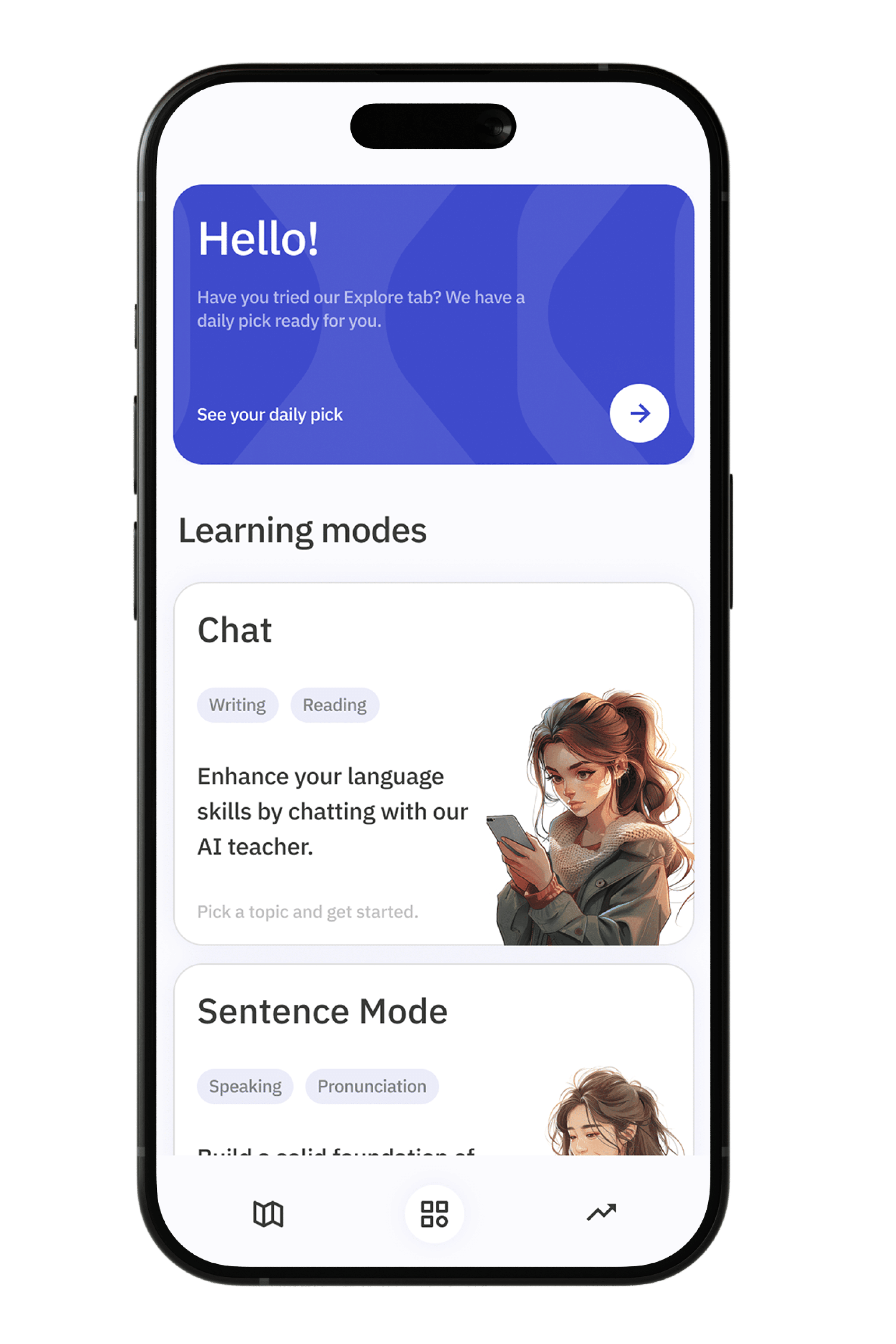
Talkpal is AI-powered language tutor. Learn 57+ languages 5x faster with innovative technology.