
Pick a language and start learning!






Present perfect tense Exercises in Nepali language

The present perfect tense in Nepali is a crucial aspect of mastering the language, as it allows speakers to convey actions that have been completed at some point in the past but are relevant to the present moment. Understanding this tense involves recognizing the nuances of time and context, which can significantly enhance your ability to communicate effectively and accurately. In Nepali, the present perfect tense is formed by combining the past participle of the verb with auxiliary verbs, which can vary depending on the subject's gender and number. This structure can initially seem complex, but with practice, it becomes more intuitive.
In these exercises, you will have the opportunity to apply the rules of the present perfect tense in various contexts, helping to solidify your grasp of this essential grammatical concept. Through a series of sentences and scenarios, you will practice forming and using the present perfect tense to describe actions and events with precision and clarity. This will not only improve your written and spoken Nepali but also deepen your understanding of how the language reflects the relationship between past actions and present outcomes. Dive into these exercises with an open mind and a readiness to learn, and you'll soon find yourself more confident in using the present perfect tense in Nepali.
Exercise 1
<p>1. उनीहरूले नयाँ घर *किनेका छन्* (verb for purchasing).</p>
<p>2. म खाना *खाएको छु* (verb for eating).</p>
<p>3. उसले आज बिहानैदेखि काम *गरेको छ* (verb for doing work).</p>
<p>4. मैले यो पुस्तक *पढेको छु* (verb for reading).</p>
<p>5. उनीहरू सिनेमा *हेरेका छन्* (verb for watching).</p>
<p>6. हामीले यहाँ *आएका छौं* (verb for arriving).</p>
<p>7. उनले आफ्नो गृहकार्य *पूरा गरेको छ* (verb for completing).</p>
<p>8. उसले मलाई *फोन गरेको छ* (verb for calling).</p>
<p>9. हामीले यो समस्या *सुल्झाएका छौं* (verb for solving).</p>
<p>10. मैले त्यो गीत *गाएको छु* (verb for singing).</p>
Exercise 2
<p>1. उसले *खाएको* खाना स्वादिष्ट थियो (verb for eating).</p>
<p>2. मैले नयाँ किताब *किनेको* छु (verb for buying).</p>
<p>3. उनीहरूले त्यो फिल्म *हेरेका* छन् (verb for watching).</p>
<p>4. हामीले यो योजना *बनाएको* छौं (verb for making).</p>
<p>5. उसले हिजोको परीक्षा *पास गरेको* छ (verb for passing).</p>
<p>6. मैले यो गीत पहिले *सुनेको* छु (verb for listening).</p>
<p>7. उसले आफ्नो गृहकार्य *गरेको* छ (verb for doing).</p>
<p>8. हामीले त्यो ठाउँ *घुमेको* छौं (verb for visiting).</p>
<p>9. उसले यो चित्र *आकिएको* छ (verb for drawing).</p>
<p>10. मैले यो पुस्तक पहिले नै *पढेको* छु (verb for reading).</p>
Exercise 3
<p>1. म *खाएको* छु (verb for eating).</p>
<p>2. उनीहरुले *लेखेको* छ (verb for writing).</p>
<p>3. म *हेरेको* छु (verb for watching).</p>
<p>4. उसले *बोलेको* छ (verb for speaking).</p>
<p>5. हामीले *खेलेको* छ (verb for playing).</p>
<p>6. उसले *पढेको* छ (verb for reading).</p>
<p>7. मैले *खोजेको* छु (verb for searching).</p>
<p>8. उसले *गाएको* छ (verb for singing).</p>
<p>9. मैले *सिकेको* छु (verb for learning).</p>
<p>10. हामीले *बनाएको* छ (verb for making).</p>
5x Faster Language Learning with AI
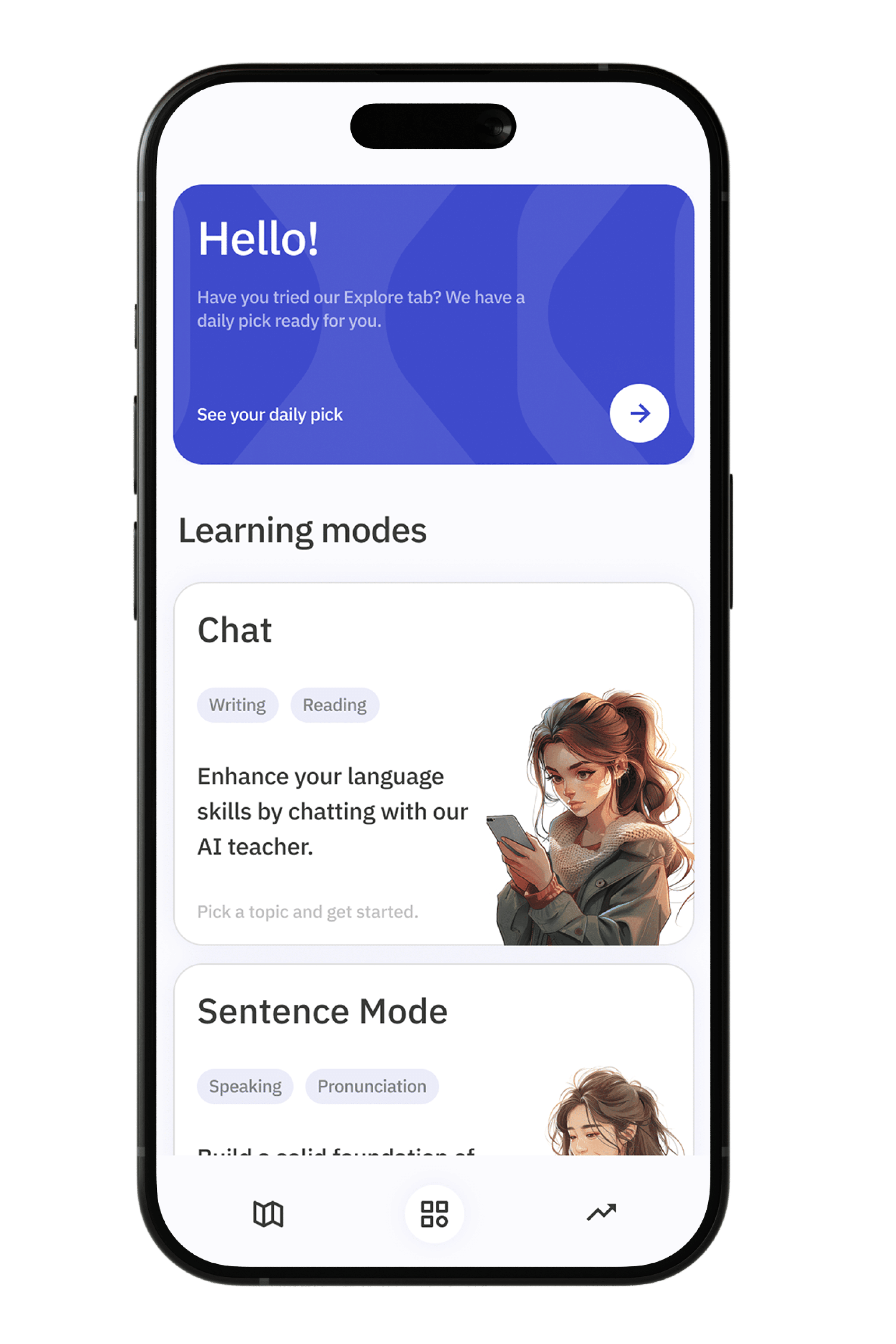
Talkpal is AI-powered language tutor. Learn 57+ languages 5x faster with innovative technology.