
Pick a language and start learning!






Past perfect tense Exercises in Vietnamese language

The past perfect tense, an essential aspect of English grammar, is used to describe actions that were completed before another action took place. This tense helps convey a clear sequence of events, adding depth and precision to both written and spoken communication. By mastering the past perfect tense, learners can enhance their ability to narrate stories, explain past experiences, and provide detailed accounts of events in a coherent and logical manner.
For Vietnamese speakers, understanding and using the past perfect tense can be particularly challenging due to structural differences between English and Vietnamese. Vietnamese does not have an equivalent tense, which often leads to confusion and errors. This section provides targeted exercises to help Vietnamese learners grasp the nuances of the past perfect tense, ensuring they can confidently construct sentences and express complex temporal relationships in English.
Exercise 1
<p>1. Cô ấy *đã học* tiếng Anh trước khi đi du lịch (verb for studying).</p>
<p>2. Họ *đã ăn* sáng trước khi đi làm (verb for eating).</p>
<p>3. Tôi *đã đọc* cuốn sách này trước khi nó trở nên nổi tiếng (verb for reading).</p>
<p>4. Chúng tôi *đã hoàn thành* bài tập về nhà trước khi thầy giáo kiểm tra (verb for completing).</p>
<p>5. Anh ấy *đã mua* vé xem phim trước khi hết vé (verb for purchasing).</p>
<p>6. Mẹ tôi *đã nấu* bữa tối trước khi mọi người về nhà (verb for cooking).</p>
<p>7. Họ *đã xây* ngôi nhà này trước khi tôi sinh ra (verb for constructing).</p>
<p>8. Tôi *đã viết* thư này trước khi gửi email (verb for writing).</p>
<p>9. Cô ấy *đã gặp* ông ấy trước khi ông ấy trở thành giám đốc (verb for meeting).</p>
<p>10. Chúng tôi *đã xem* bộ phim này trước khi nó ra rạp (verb for watching).</p>
Exercise 2
<p>1. Khi tôi đến rạp chiếu phim, bộ phim *đã bắt đầu* (the movie had already started).</p>
<p>2. Trước khi tôi đến nhà bạn, anh ấy *đã rời* nhà (he had already left).</p>
<p>3. Cô ấy nói rằng cô ấy *đã ăn* trưa rồi (she had already eaten lunch).</p>
<p>4. Họ *đã hoàn thành* bài tập trước khi giáo viên đến (they had finished the homework).</p>
<p>5. Tôi không biết rằng bạn *đã đi* du lịch đến Pháp (you had traveled to France).</p>
<p>6. Trước khi tôi gọi, anh ấy *đã tắt* điện thoại (he had turned off the phone).</p>
<p>7. Khi tôi thức dậy, trời *đã mưa* cả đêm (it had rained all night).</p>
<p>8. Cô ấy không nhớ rằng cô ấy *đã gặp* anh ấy trước đó (she had met him before).</p>
<p>9. Họ nói rằng họ *đã thấy* bộ phim đó trước đó (they had seen that movie before).</p>
<p>10. Tôi nhận ra rằng tôi *đã quên* chìa khóa ở nhà (I had forgotten the keys at home).</p>
Exercise 3
<p>1. Tôi *đã gặp* anh ấy trước khi anh ấy rời thành phố (to meet).</p>
<p>2. Cô ấy *đã học* tiếng Anh trước khi đi du học (to study).</p>
<p>3. Chúng tôi *đã hoàn thành* dự án trước khi hạn chót (to complete).</p>
<p>4. Họ *đã ăn* xong trước khi phim bắt đầu (to eat).</p>
<p>5. Anh ấy *đã viết* thư trước khi đi ngủ (to write).</p>
<p>6. Chúng tôi *đã đến* nhà ga trước khi tàu khởi hành (to arrive).</p>
<p>7. Cô ấy *đã đọc* cuốn sách trước khi đến lớp học (to read).</p>
<p>8. Tôi *đã xem* bộ phim trước khi đi nghỉ mát (to watch).</p>
<p>9. Họ *đã đi* du lịch trước khi xây nhà mới (to travel).</p>
<p>10. Anh ấy *đã chuẩn bị* bài thuyết trình trước khi hội nghị bắt đầu (to prepare).</p>
5x Faster Language Learning with AI
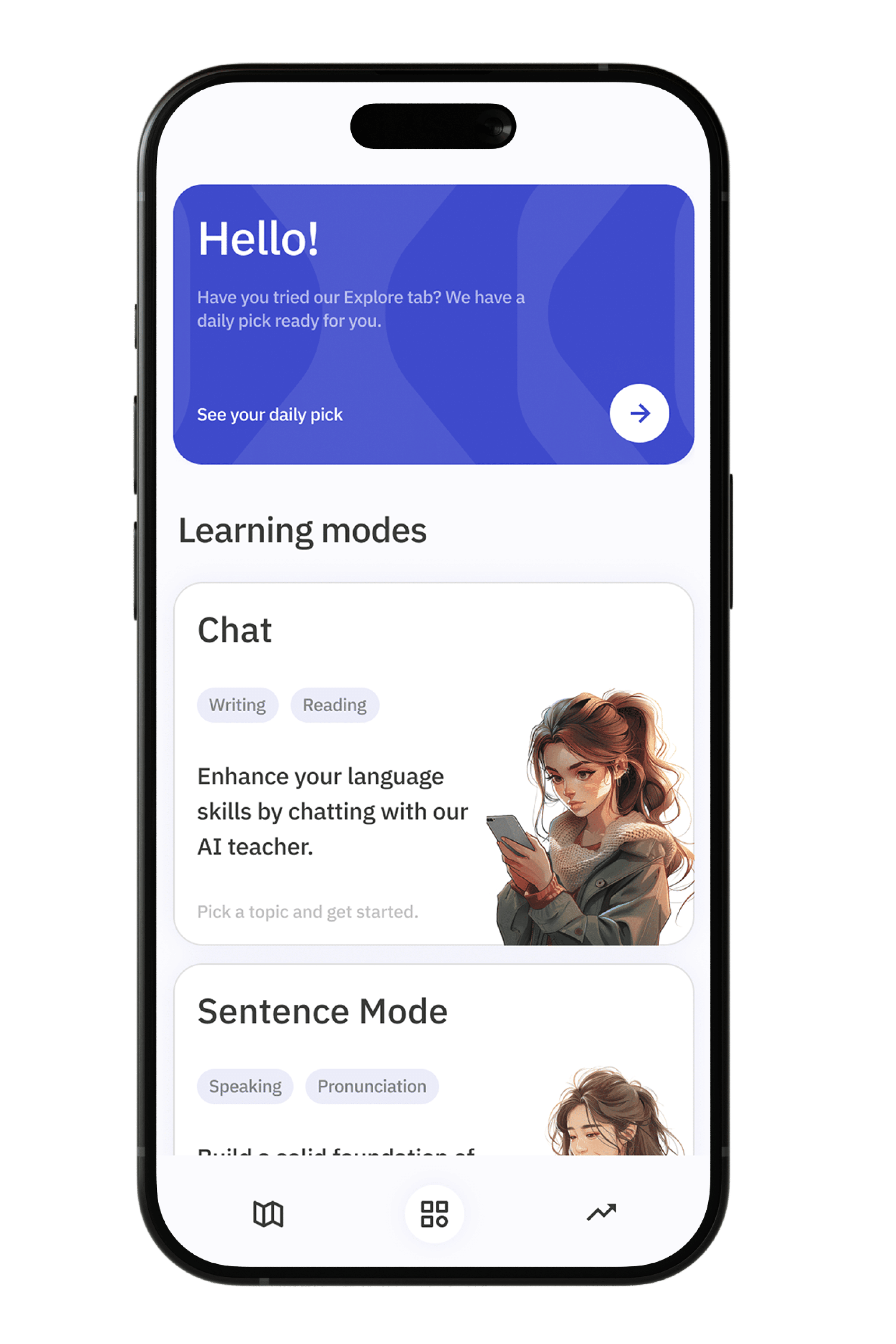
Talkpal is AI-powered language tutor. Learn 57+ languages 5x faster with innovative technology.