
Pick a language and start learning!






Past absolute tense (passato remoto) Exercises in Italian language

The passato remoto, or past absolute tense, is a fundamental aspect of Italian grammar that is primarily used in written language to describe actions that were completed in the distant past. Unlike the passato prossimo, which is used for more recent past events, the passato remoto is often found in literature, historical texts, and formal speech. Mastering this tense is crucial for anyone looking to read and understand Italian novels, historical accounts, and classical works, as it adds a level of depth and specificity to the narrative.
In this section, you will find a range of exercises designed to help you become proficient in using the passato remoto. These exercises will include verb conjugation practice, sentence transformation, and contextual usage tasks to ensure you can recognize and apply this tense accurately. By practicing with these exercises, you will gain confidence in your ability to comprehend and construct sentences using the passato remoto, enhancing your overall fluency in Italian.
Exercise 1
<p>1. Lui *scrisse* una lunga lettera al suo amico (verb for writing).</p>
<p>2. Maria *vide* un bellissimo tramonto sulla spiaggia (verb for seeing).</p>
<p>3. Noi *partimmo* presto per evitare il traffico (verb for leaving).</p>
<p>4. I ragazzi *giocarono* a calcio tutto il pomeriggio (verb for playing).</p>
<p>5. Tu *mangiasti* una pizza deliziosa ieri sera (verb for eating).</p>
<p>6. Gli artisti *dipingettero* un murale sulla parete (verb for painting).</p>
<p>7. Voi *caminaste* per ore nel parco (verb for walking).</p>
<p>8. Lei *prese* il treno delle otto per Milano (verb for taking).</p>
<p>9. Il cane *corse* velocemente verso il padrone (verb for running).</p>
<p>10. Io *lessi* un libro molto interessante durante le vacanze (verb for reading).</p>
Exercise 2
<p>1. Mario *andò* al mercato ieri (verb for "went").</p>
<p>2. L'anno scorso, noi *visitammo* Roma (verb for "visited").</p>
<p>3. Lei *scrisse* una lettera molto lunga (verb for "wrote").</p>
<p>4. I ragazzi *giocarono* a calcio tutto il pomeriggio (verb for "played").</p>
<p>5. Io *vidi* un film interessante la settimana scorsa (verb for "saw").</p>
<p>6. Voi *mangiaste* la pizza a cena (verb for "ate").</p>
<p>7. Il cane *corse* veloce nel parco (verb for "ran").</p>
<p>8. Noi *leggemo* un libro insieme (verb for "read").</p>
<p>9. Tu *dormisti* fino a tardi ieri (verb for "slept").</p>
<p>10. Lui *bevve* un bicchiere d'acqua (verb for "drank").</p>
Exercise 3
<p>1. Marco *andò* a Roma l'anno scorso (verb for movement).</p>
<p>2. Ieri, Giulia *vide* un film al cinema (verb for seeing).</p>
<p>3. Nel 1990, loro *vinsero* il campionato di calcio (verb for winning).</p>
<p>4. Quando ero piccolo, mio nonno *raccontò* tante storie (verb for telling).</p>
<p>5. Lei *scrisse* una lettera al suo amico (verb for writing).</p>
<p>6. Dopo la festa, Maria *tornò* a casa molto tardi (verb for returning).</p>
<p>7. Luigi *mangiò* una pizza deliziosa ieri sera (verb for eating).</p>
<p>8. Nel 1980, loro *andarono* in vacanza in Spagna (verb for movement).</p>
<p>9. Mio padre *comprò* una macchina nuova l'anno scorso (verb for buying).</p>
<p>10. Durante il viaggio, noi *visitarono* molti musei (verb for visiting).</p>
5x Faster Language Learning with AI
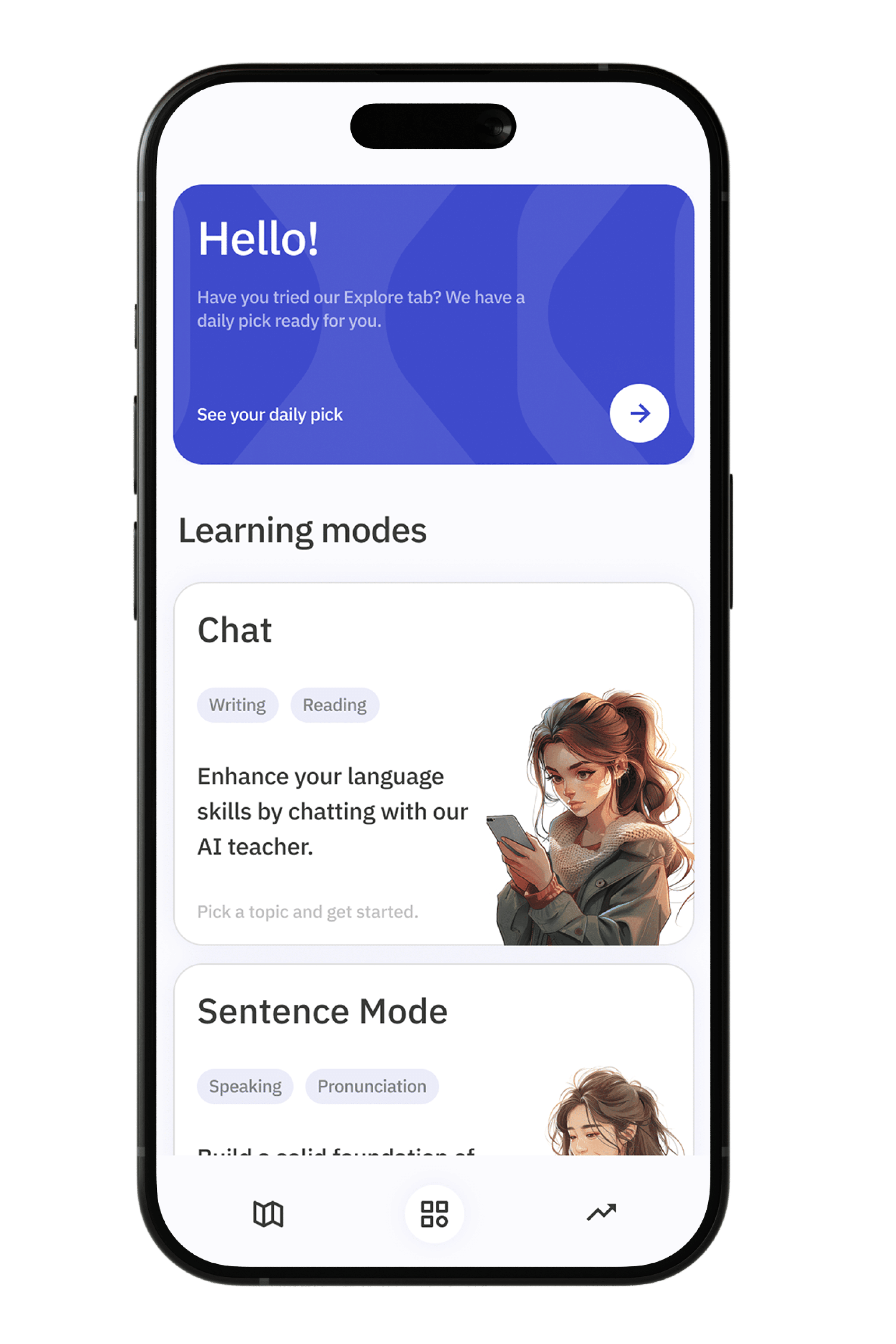
Talkpal is AI-powered language tutor. Learn 57+ languages 5x faster with innovative technology.