
Pick a language and start learning!






Omission of articles Exercises in Greek language

In the Greek language, the use of articles can significantly differ from English, often causing confusion for learners. One of the key areas of difference is the omission of articles, which can occur in various contexts. Unlike English, where articles such as "the" or "a" are frequently used, Greek sometimes omits these articles, especially when referring to general concepts, professions, or specific idiomatic expressions. Understanding when and why these omissions take place is crucial for mastering the language and achieving fluency.
Our grammar exercises are designed to help you navigate these differences and improve your comprehension and usage of Greek articles. By engaging with these exercises, you will learn to recognize patterns and contexts in which articles are omitted, thereby enhancing your ability to construct grammatically correct and natural-sounding sentences in Greek. Whether you are a beginner or looking to refine your skills, these exercises will provide you with the practice needed to become more confident and proficient in the Greek language.
Exercise 1
<p>1. Ο Γιώργος είναι *καθηγητής* στο πανεπιστήμιο (profession).</p>
<p>2. Το καλοκαίρι θα πάμε διακοπές σε *νησί* (type of vacation destination).</p>
<p>3. Η Μαρία αγόρασε *βιβλίο* από το βιβλιοπωλείο (object bought from a bookstore).</p>
<p>4. Την Κυριακή θα πάμε *πάρκο* για πικνίκ (place for outdoor activities).</p>
<p>5. Ο Πέτρος έφαγε *σάντουιτς* για μεσημεριανό (type of food).</p>
<p>6. Η Άννα δουλεύει σε *γραφείο* στο κέντρο της πόλης (workplace).</p>
<p>7. Τα παιδιά παίζουν *μπάλα* στην αυλή (type of sport or game).</p>
<p>8. Η Ελένη μαθαίνει να παίζει *πιάνο* (musical instrument).</p>
<p>9. Ο Νίκος πήρε *αυτοκίνητο* από τον πατέρα του (type of vehicle).</p>
<p>10. Το πρωί πίνω *καφέ* για να ξυπνήσω (morning beverage).</p>
Exercise 2
<p>1. Ο Γιάννης είναι *καλός* μαθητής (adjective describing a student).</p>
<p>2. Έχω *βιβλίο* στο γραφείο μου (object you read).</p>
<p>3. Θα πάμε στο *σπίτι* της Μαρίας (place you live).</p>
<p>4. Αγόρασα *καινούργιο* αυτοκίνητο (adjective describing something new).</p>
<p>5. Το καλοκαίρι είναι *ζεστό* στην Ελλάδα (adjective describing the weather).</p>
<p>6. Ο σκύλος μου είναι *μεγάλος* και φιλικός (adjective describing the size).</p>
<p>7. Η Άννα αγαπάει τη *μουσική* (form of art you listen to).</p>
<p>8. Στο πάρκο υπάρχει μια *λιμνούλα* (small body of water).</p>
<p>9. Το πρωί πίνω *καφέ* (drink you have in the morning).</p>
<p>10. Ο δάσκαλος μας έδωσε *ασκήσεις* για το σπίτι (activities given by a teacher).</p>
Exercise 3
<p>1. Θέλω να φάω *μια* σοκολάτα (indefinite article).</p>
<p>2. Ο πατέρας μου δουλεύει σε *ένα* γραφείο (indefinite article).</p>
<p>3. Η Μαρία είναι *η* καλύτερη φίλη μου (definite article, feminine).</p>
<p>4. Πήγαμε στο *το* πάρκο για πικνίκ (definite article, neuter).</p>
<p>5. Ψάχνω για *μία* καλή ταινία να δω απόψε (indefinite article, feminine).</p>
<p>6. Το δώρο είναι για *τον* Νίκο (definite article, masculine).</p>
<p>7. Θα ήθελα να αγοράσω *ένα* καινούριο βιβλίο (indefinite article, neuter).</p>
<p>8. Οι φίλοι μας ήρθαν στο *το* σπίτι μας χθες (definite article, neuter).</p>
<p>9. Η δασκάλα μας εξήγησε *το* μάθημα πολύ καλά (definite article, neuter).</p>
<p>10. Ο σκύλος είναι *ο* καλύτερος φίλος του ανθρώπου (definite article, masculine).</p>
5x Faster Language Learning with AI
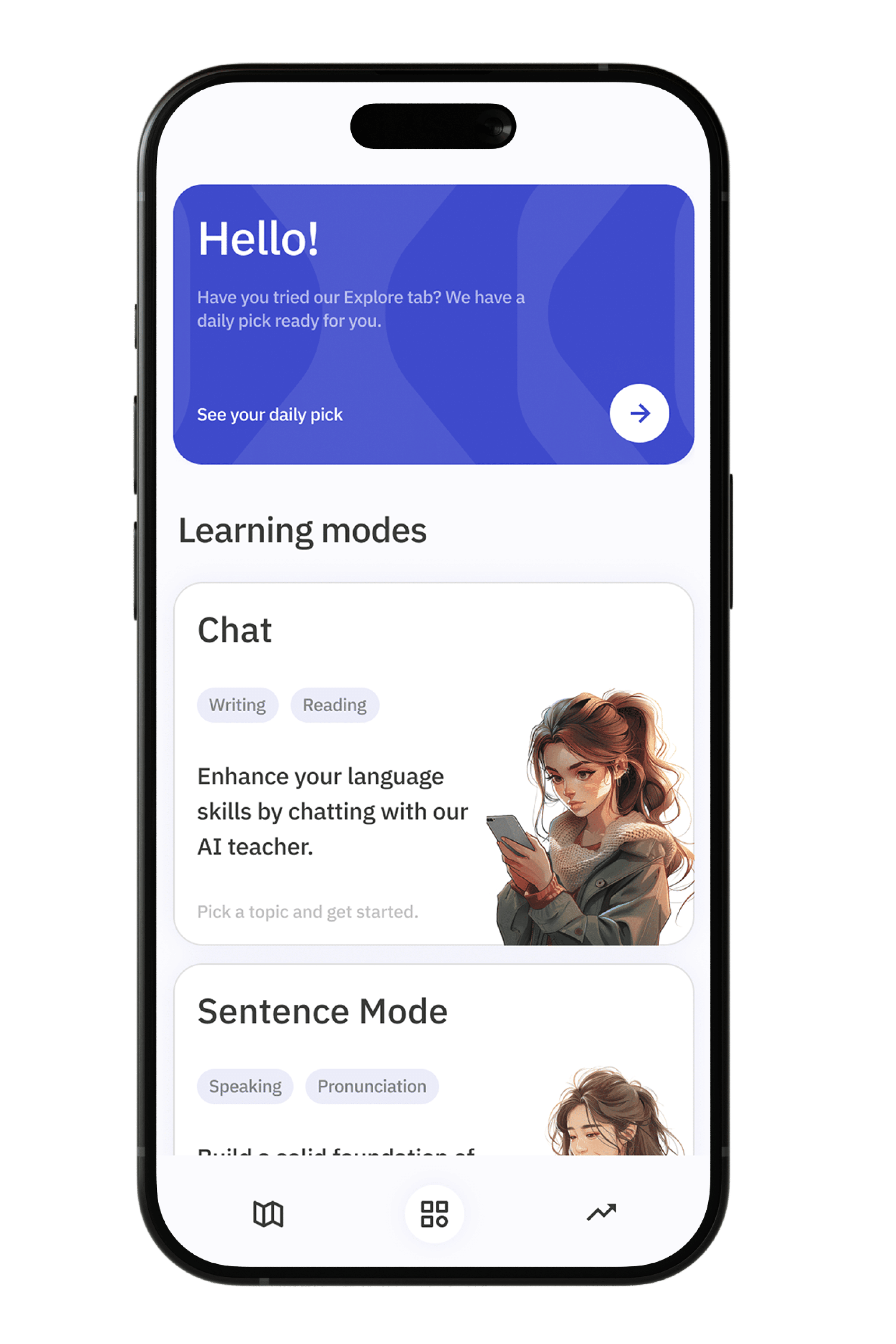
Talkpal is AI-powered language tutor. Learn 57+ languages 5x faster with innovative technology.