
Pick a language and start learning!






Coordinating conjunctions Exercises in Afrikaans language

Coordinating conjunctions play a crucial role in connecting words, phrases, and clauses in the Afrikaans language, allowing for more complex and nuanced expressions. These conjunctions, known as "nevenskikkende voegwoorde" in Afrikaans, include words like "en" (and), "maar" (but), "of" (or), and "want" (because). By mastering the use of these connectors, learners can significantly enhance their fluency and coherence in both written and spoken Afrikaans, making their communication more effective and engaging.
In this section, you will find a variety of grammar exercises designed to help you practice and internalize the use of coordinating conjunctions in Afrikaans. Through these exercises, you will learn how to seamlessly link ideas, contrast different points, and present alternatives or reasons in your sentences. Whether you are a beginner or looking to polish your Afrikaans skills, these exercises will provide you with the tools you need to confidently use coordinating conjunctions and improve your overall language proficiency.
Exercise 1
<p>1. Ek hou van appels, *maar* ek hou nie van pere nie (contrast).</p>
<p>2. Ons gaan na die strand, *want* dit is 'n sonnige dag (reason).</p>
<p>3. Hy speel sokker, *en* sy speel tennis (addition).</p>
<p>4. Jy kan die blou trui dra, *of* jy kan die rooi een kies (choice).</p>
<p>5. Ek het 'n boek gelees, *maar* ek het nie die film gekyk nie (contrast).</p>
<p>6. Ons sal jou help, *mits* jy ons vra (condition).</p>
<p>7. Ek is moeg, *dus* gaan ek nou slaap (result).</p>
<p>8. Hy werk hard, *so* hy verdien 'n ruskans (result).</p>
<p>9. Sy het 'n kat, *en* hy het 'n hond (addition).</p>
<p>10. Jy moet jou werk voltooi, *anders* sal jy nie slaag nie (consequence).</p>
Exercise 2
<p>1. Sy hou van appels *en* lemoene (linking two fruits).</p>
<p>2. Ek wil na die park gaan, *maar* dit reën (indicating contrast).</p>
<p>3. Hy het die boek gelees *en* die film gekyk (linking two actions).</p>
<p>4. Ons kan na die strand gaan, *of* ons kan tuis bly (indicating a choice).</p>
<p>5. Sy is moeg, *maar* sy moet werk (indicating contrast).</p>
<p>6. Ek het die skool voltooi *en* 'n werk gekry (linking two life events).</p>
<p>7. Hy is intelligent, *maar* hy studeer nie hard nie (indicating contrast).</p>
<p>8. Jy kan koffie drink, *of* jy kan tee drink (indicating a choice).</p>
<p>9. Hulle speel sokker *en* hulle gaan swem (linking two activities).</p>
<p>10. Die kat is klein, *maar* baie vinnig (indicating contrast).</p>
Exercise 3
<p>1. Sy hou van appels, *maar* sy hou nie van pere nie. (contrasting two preferences)</p>
<p>2. Ek wil pizza eet, *en* ek wil 'n fliek kyk. (listing two desires)</p>
<p>3. Hy het die werk gedoen, *want* hy is baie pligsgetrou. (giving a reason)</p>
<p>4. Hulle kan nie kom nie, *maar* hulle stuur groete. (contrasting their presence with their action)</p>
<p>5. Ons het vroeg gekom, *so* ons het die beste plekke gekry. (indicating a result)</p>
<p>6. Die kat het geslaap, *terwyl* die hond geblaf het. (indicating simultaneous actions)</p>
<p>7. Ek het my huiswerk gedoen, *en* ek het my kamer skoongemaak. (listing two actions)</p>
<p>8. Hy is moeg, *want* hy het die hele nag gewerk. (providing a reason)</p>
<p>9. Hulle het hard probeer, *maar* hulle het nie gewen nie. (contrasting effort with outcome)</p>
<p>10. Ons wil na die park gaan, *of* ons kan by die huis bly. (presenting two options)</p>
5x Faster Language Learning with AI
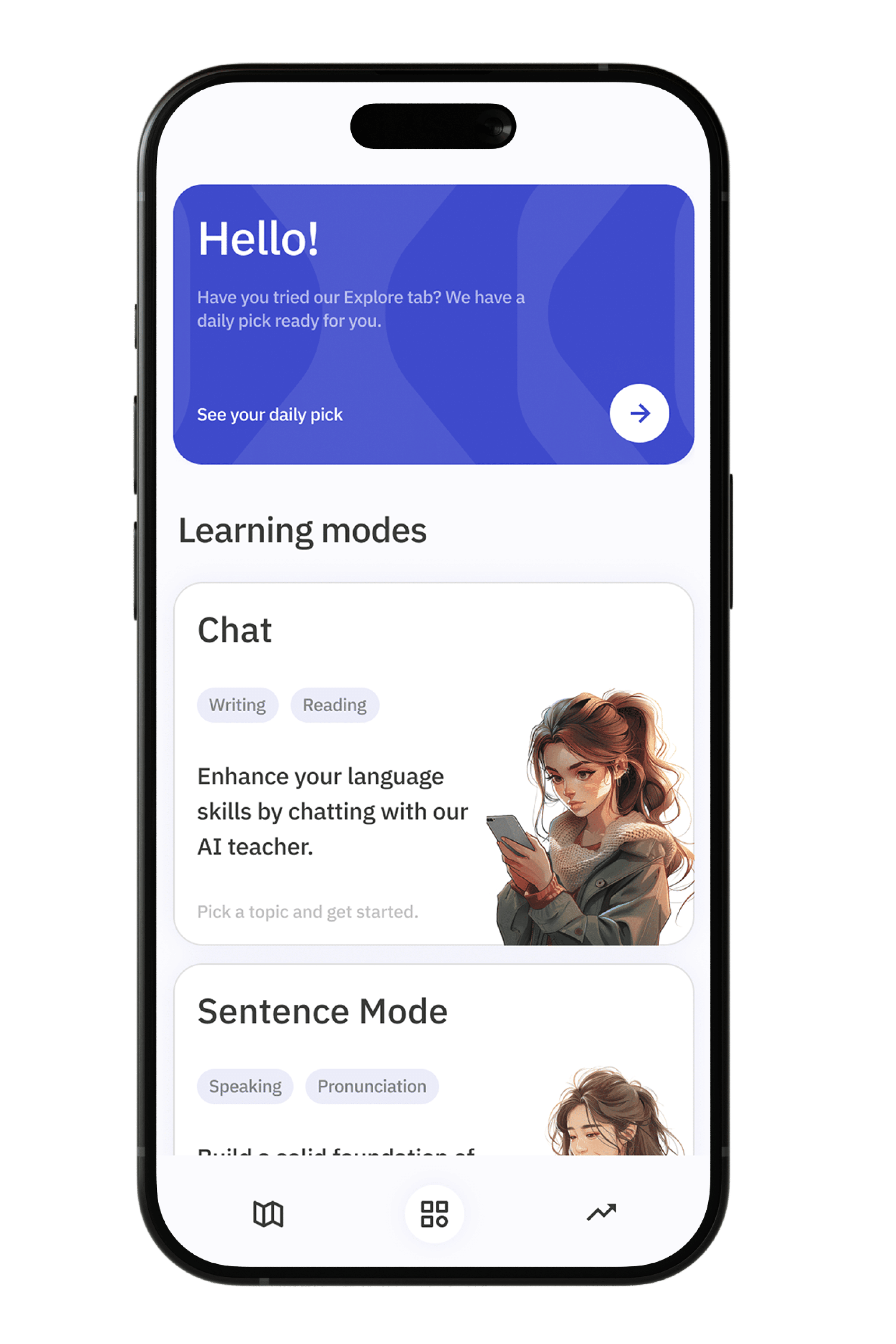
Talkpal is AI-powered language tutor. Learn 57+ languages 5x faster with innovative technology.