
Pick a language and start learning!






Common adverbs of frequency Exercises in Vietnamese language

Understanding the common adverbs of frequency is essential when learning Vietnamese, as these adverbs help convey how often an action occurs. In Vietnamese, adverbs of frequency are used similarly to those in English, but their placement within sentences can differ. By mastering these adverbs, such as "luôn luôn" (always), "thường xuyên" (often), "đôi khi" (sometimes), "hiếm khi" (rarely), and "không bao giờ" (never), you can significantly enhance your conversational skills and more accurately describe routines and habits.
In this section, you'll find a variety of grammar exercises designed to help you practice and internalize these key adverbs of frequency. Through engaging activities, such as fill-in-the-blank sentences, multiple-choice questions, and translation tasks, you will gain a deeper understanding of how these adverbs function in different contexts. By the end of these exercises, you will be able to confidently incorporate common Vietnamese adverbs of frequency into your everyday conversations, making your speech more natural and fluent.
Exercise 1
<p>1. Lan *luôn* đi học đúng giờ (an adverb meaning always).</p>
<p>2. Minh *thường* đọc sách vào buổi tối (an adverb meaning often).</p>
<p>3. Tôi *đôi khi* ăn sáng ở nhà hàng (an adverb meaning sometimes).</p>
<p>4. Chúng tôi *hiếm khi* xem tivi vào buổi sáng (an adverb meaning rarely).</p>
<p>5. Anh ấy *không bao giờ* đi ngủ sau 11 giờ đêm (an adverb meaning never).</p>
<p>6. Cô ấy *thường xuyên* tập thể dục vào buổi sáng (an adverb meaning frequently).</p>
<p>7. Họ *đôi lúc* đi du lịch vào mùa hè (an adverb meaning occasionally).</p>
<p>8. Bà tôi *luôn luôn* nấu ăn rất ngon (an adverb meaning always).</p>
<p>9. Chúng ta *hiếm khi* đi bơi vào mùa đông (an adverb meaning rarely).</p>
<p>10. Tôi *không bao giờ* quên làm bài tập về nhà (an adverb meaning never).</p>
Exercise 2
<p>1. Tôi *luôn* dậy sớm vào mỗi buổi sáng (always).</p>
<p>2. Anh ấy *thường* đi làm bằng xe đạp (usually).</p>
<p>3. Chị ấy *thỉnh thoảng* đi du lịch vào cuối tuần (sometimes).</p>
<p>4. Họ *hiếm khi* ăn ngoài nhà hàng (rarely).</p>
<p>5. Tôi *không bao giờ* uống cà phê vào buổi tối (never).</p>
<p>6. Bà ấy *thường xuyên* tập thể dục buổi sáng (often).</p>
<p>7. Cô ấy *luôn luôn* đọc sách trước khi đi ngủ (always).</p>
<p>8. Chúng tôi *đôi khi* đi xem phim vào cuối tuần (sometimes).</p>
<p>9. Anh ấy *hiếm khi* về nhà trước 7 giờ tối (rarely).</p>
<p>10. Tôi *không bao giờ* ăn sáng muộn (never).</p>
Exercise 3
<p>1. Tôi *luôn luôn* dậy sớm vào mỗi buổi sáng (adverb of frequency for 'always').</p>
<p>2. Anh ấy *thường* đi làm bằng xe đạp (adverb of frequency for 'usually').</p>
<p>3. Chúng tôi *đôi khi* ăn tối ở ngoài (adverb of frequency for 'sometimes').</p>
<p>4. Cô ấy *hiếm khi* uống cà phê (adverb of frequency for 'rarely').</p>
<p>5. Họ *không bao giờ* đi du lịch vào mùa đông (adverb of frequency for 'never').</p>
<p>6. Tôi *thỉnh thoảng* đến thăm bà ngoại (adverb of frequency for 'occasionally').</p>
<p>7. Anh ấy *luôn* mang theo điện thoại di động (adverb of frequency for 'always').</p>
<p>8. Chúng tôi *thường xuyên* tập thể dục buổi sáng (adverb of frequency for 'frequently').</p>
<p>9. Cô ấy *hiếm* thấy mưa vào mùa hè (adverb of frequency for 'rarely').</p>
<p>10. Bạn *đôi lúc* quên làm bài tập về nhà (adverb of frequency for 'sometimes').</p>
5x Faster Language Learning with AI
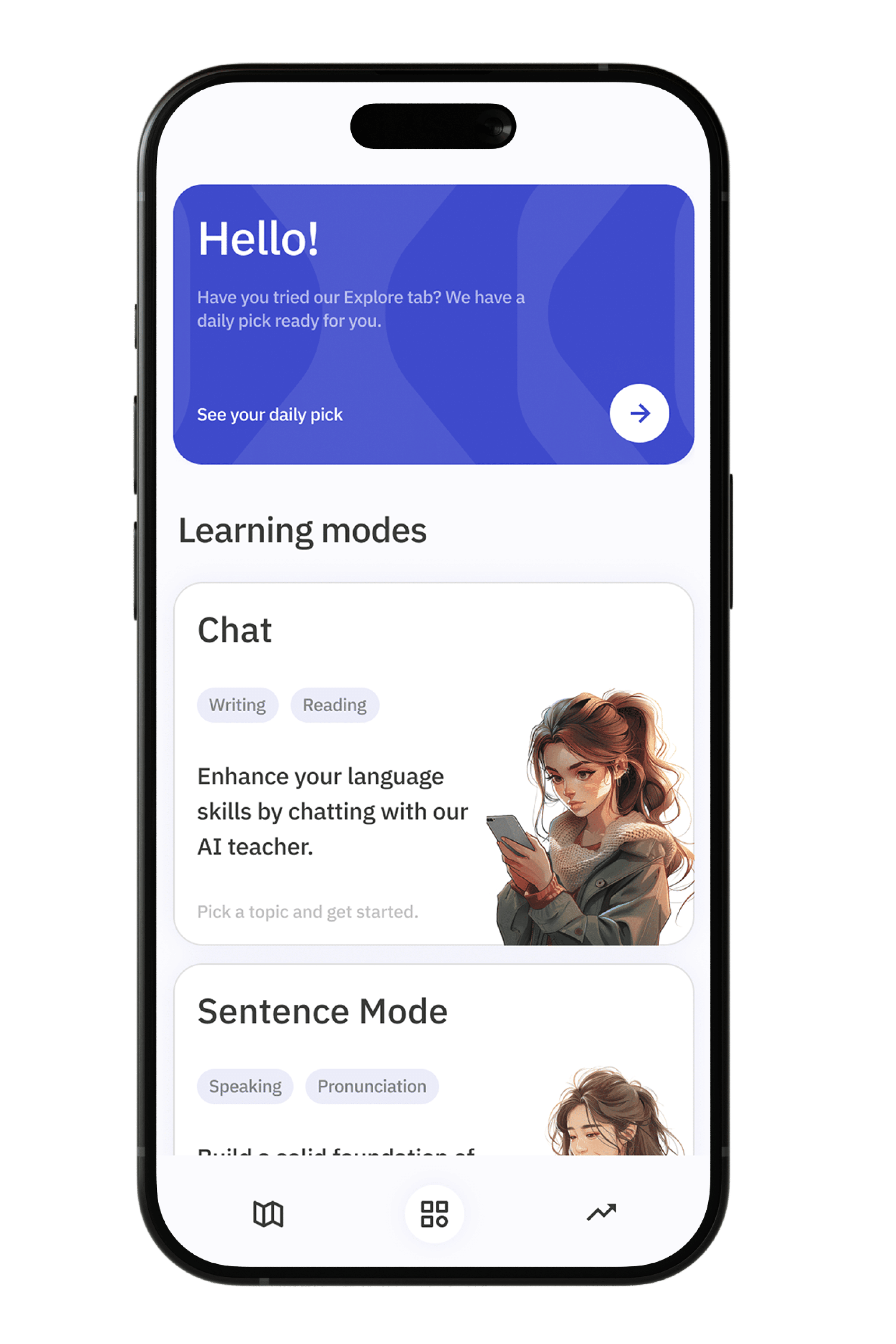
Talkpal is AI-powered language tutor. Learn 57+ languages 5x faster with innovative technology.