Pick a language and start learning!




Basic conjunctions in Maori Exercises in Maori language

Understanding basic conjunctions in Māori is crucial for anyone looking to grasp the foundational elements of the language. Conjunctions are the glue that holds sentences together, allowing speakers to connect thoughts, ideas, and actions seamlessly. In Māori, just like in English, conjunctions such as "and" (me), "but" (engari), and "because" (nā te mea) are essential in creating coherent and fluid sentences. By mastering these basic conjunctions, learners can significantly enhance their communication skills and better understand the flow of the language.
In these exercises, we will explore the usage and placement of common Māori conjunctions in various contexts. Through practical examples and targeted practice, you will learn how to effectively link phrases and sentences, making your spoken and written Māori more dynamic and engaging. Whether you are a beginner or looking to reinforce your existing knowledge, these exercises will provide you with the tools you need to use conjunctions confidently and correctly in everyday conversation.
Exercise 1
<p>1. Kei te haere mātou *ki* te kura (to the school).</p>
<p>2. Kei te kai ia *me* tōna whānau (with her family).</p>
<p>3. Kei te moe te pēpi *i* te whare (inside the house).</p>
<p>4. Kei te pānui ahau *i* te pukapuka (reading the book).</p>
<p>5. Kei te tākaro rātou *i* te papa tākaro (at the playground).</p>
<p>6. Kei te waiata mātou *ki* te marae (at the marae).</p>
<p>7. Kei te oma ahau *i* te papa rēhia (at the park).</p>
<p>8. Kei te kōrero ia *me* tōna hoa (with her friend).</p>
<p>9. Kei te tunu ia *i* te kai (cooking the food).</p>
<p>10. Kei te ako mātou *ki* te kura (at the school).</p>
Exercise 2
<p>1. Kei te haere a Pita *me* Hine ki te kura (conjunction for "and").</p>
<p>2. Ka haere ahau ki te toa *a* ka hoki mai ki te kāinga (conjunction for "and then").</p>
<p>3. Me haere koe *ki te* kura i te ata (conjunction for "to").</p>
<p>4. Kei te hiahia ahau ki te inu wai *nā* ka wera ahau (conjunction for "because").</p>
<p>5. Ka kite ahau i a ia *i te* pāti āpōpō (conjunction for "at the").</p>
<p>6. Ka rere te manu *i runga i* te moana (conjunction for "over").</p>
<p>7. Ka taea e koe te noho ki konei *mō te* pō (conjunction for "for the").</p>
<p>8. Ka mutu te kēmu *i muri i* te whitu karaka (conjunction for "after").</p>
<p>9. Kei te noho ia ki te kāinga *me te* whānau (conjunction for "with the").</p>
<p>10. Ka kite ahau i te rākau *ngā* he nui (conjunction for "that is").</p>
Exercise 3
<p>1. He went to the market *and* bought vegetables (used to join two actions).</p>
<p>2. She is tired *but* she will still complete her homework (used to show contrast).</p>
<p>3. I will call you *when* I reach home (used to indicate time).</p>
<p>4. They can go to the beach *or* stay at home (used to indicate a choice).</p>
<p>5. He is studying hard *so* he can pass the exam (used to show result).</p>
<p>6. You can have tea *or* coffee with your breakfast (used to indicate options).</p>
<p>7. I will visit you *if* I have time (used to express a condition).</p>
<p>8. She is happy *because* she got a promotion (used to show reason).</p>
<p>9. He sings *and* plays the guitar (used to join two actions).</p>
<p>10. I want to go out *but* it's raining (used to show contrast).</p>
5x Faster Language Learning with AI
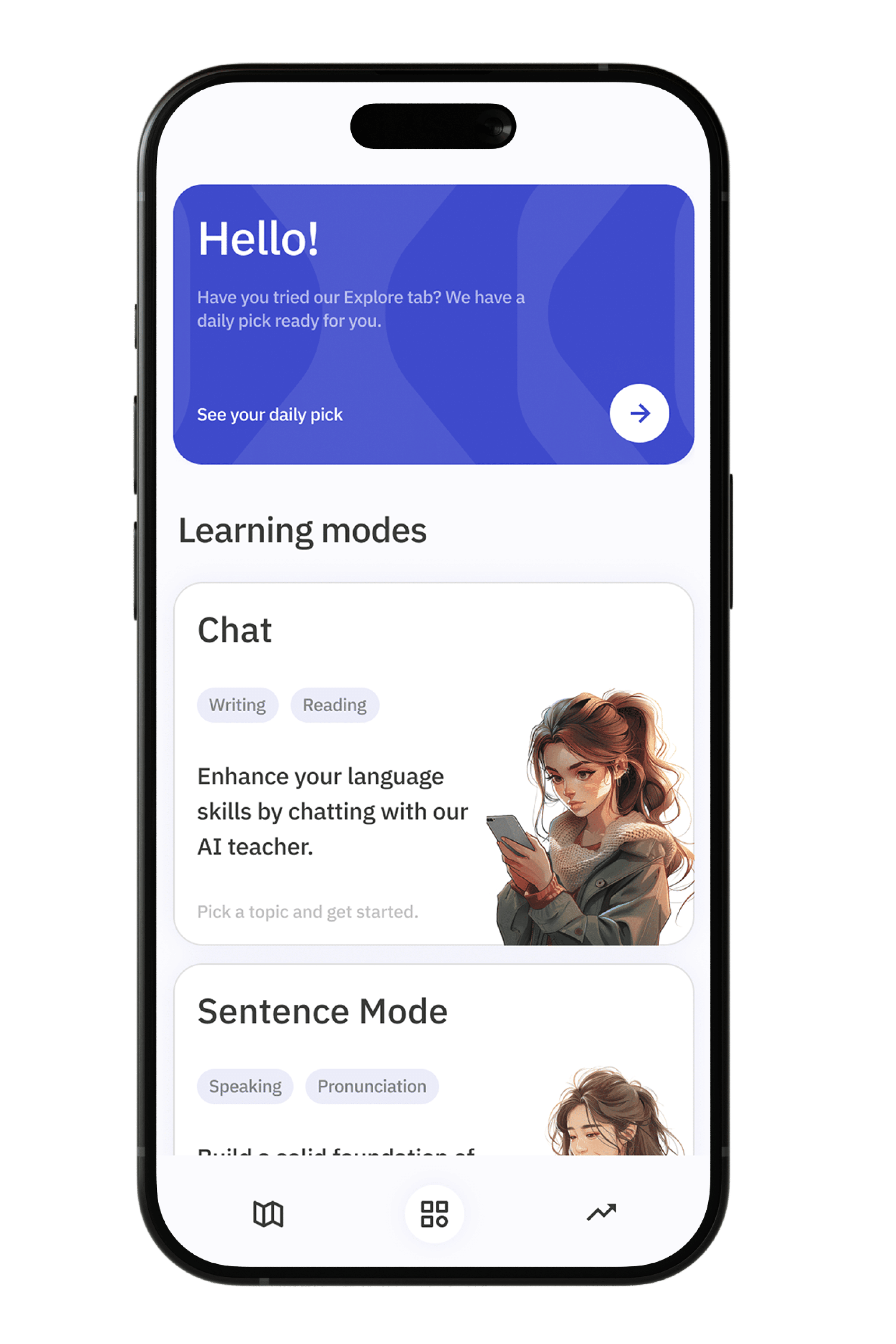
Talkpal is AI-powered language tutor. Learn 57+ languages 5x faster with innovative technology.