
Pick a language and start learning!

Article with proper nouns Exercises in Estonian language

Understanding the use of articles with proper nouns in the Estonian language can be particularly challenging for learners, as Estonian does not use articles in the same way English does. In English, we often use "the" or "a/an" to specify and generalize nouns, but Estonian operates differently. Proper nouns, such as names of people, places, and specific entities, do not typically require articles. This fundamental difference can lead to confusion and mistakes for English speakers learning Estonian. Mastering when and how to use articles—or when to omit them entirely—requires practice and attention to the nuances of each language.
Our grammar exercises are designed to help you navigate these complexities and build your confidence in using proper nouns correctly in Estonian. Through a series of targeted exercises, you will learn to identify situations where articles are unnecessary and practice constructing sentences that reflect natural Estonian speech patterns. Whether you are a beginner or looking to refine your skills, these exercises will provide you with the knowledge and practice needed to understand the unique characteristics of Estonian grammar.
Exercise 1
<p>1. *Eesti* on ilus maa (name of the country in Estonian).</p>
<p>2. *Tallinn* on Eesti pealinn (capital city of Estonia).</p>
<p>3. Ma elan *Tartus* (second largest city in Estonia).</p>
<p>4. Meie kool asub *Haapsalus* (small town in Estonia known for its castle).</p>
<p>5. Ma käisin suvel *Pärnus* (popular summer destination in Estonia).</p>
<p>6. *Saaremaa* on suurim saar Eestis (largest island in Estonia).</p>
<p>7. *Hiiumaa* on teine suurim saar Eestis (second largest island in Estonia).</p>
<p>8. Nad lähevad homme *Narva* (city near the Russian border).</p>
<p>9. *Viljandi* lossivaremed on kuulsad (town with famous castle ruins).</p>
<p>10. *Rakvere* on tuntud oma linnuse poolest (town known for its castle).
Exercise 2
<p>1. *Tallinn* is the capital of Estonia (capital city).</p>
<p>2. *Estonia* is known for its digital advancements (country in Northern Europe).</p>
<p>3. The President of *Estonia* gave an inspiring speech (country in Northern Europe).</p>
<p>4. *Tartu* is famous for its university (city in Estonia).</p>
<p>5. The Song Festival Grounds are located in *Tallinn* (capital city).</p>
<p>6. The medieval Old Town of *Tallinn* is a UNESCO World Heritage Site (capital city).</p>
<p>7. *Pärnu* is a popular summer destination in Estonia (city known for its beaches).</p>
<p>8. The island of *Saaremaa* is the largest in Estonia (largest island).</p>
<p>9. *Narva* is located near the border with Russia (border city).</p>
<p>10. The annual Jazzkaar festival is held in *Tallinn* (capital city known for events).</p>
Exercise 3
<p>1. *Eesti* pealinn on Tallinn (Country in Northern Europe).</p>
<p>2. *Tartu* ülikool on vanim Eestis (City known for its university).</p>
<p>3. *Narva* jõgi asub Ida-Virumaa maakonnas (River on the border with Russia).</p>
<p>4. *Saaremaa* on suurim saar Eestis (Largest island in Estonia).</p>
<p>5. *Pärnu* on tuntud kui suvepealinn (City known for its summer activities).</p>
<p>6. *Tallinn* on UNESCO maailmapärandi nimekirjas (Capital city of Estonia).</p>
<p>7. *Haapsalu* on kuulus oma mudaravila poolest (Town known for its mud baths).</p>
<p>8. *Viljandi* lossivaremed on populaarsed turistide seas (Town with famous castle ruins).</p>
<p>9. *Rakvere* on tuntud oma linnuse poolest (Town with a well-known castle).</p>
<p>10. *Kuressaare* on Saaremaa suurim linn (Largest town on the biggest island of Estonia).</p>
5x Faster Language Learning with AI
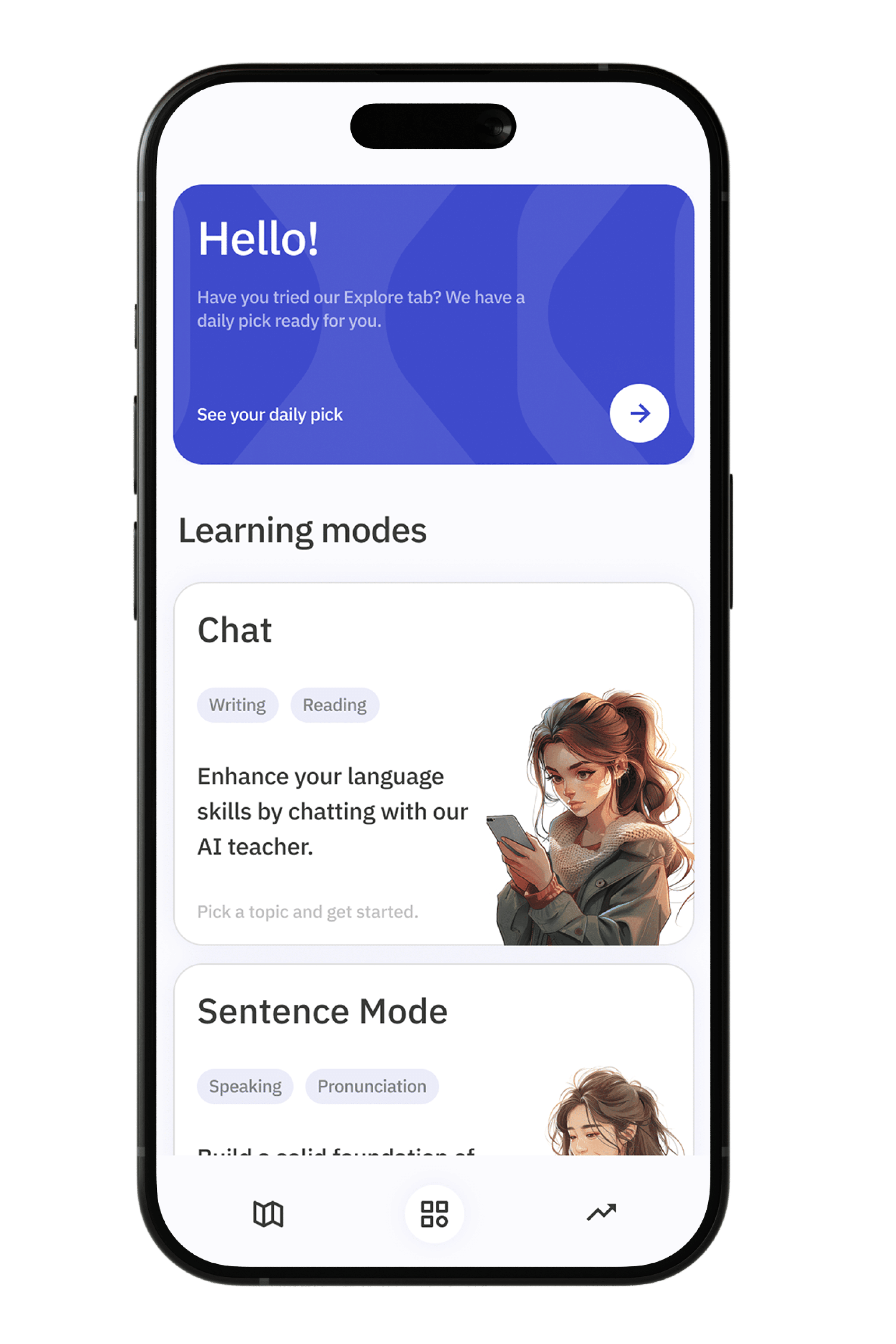
Talkpal is AI-powered language tutor. Learn 57+ languages 5x faster with innovative technology.