
Pick a language and start learning!






Practice with mixed tenses Exercises in Danish language

Mastering the intricacies of Danish verb tenses can be a challenging but rewarding journey. One of the most effective ways to achieve fluency is through consistent practice with mixed tenses. This page offers a variety of exercises designed to help you navigate the complexities of Danish grammar, from the present tense to the past and future forms. By engaging in these exercises, you'll gain a deeper understanding of how different tenses interact within sentences, allowing you to communicate more accurately and confidently.
Our exercises are crafted to simulate real-life scenarios, helping you apply your knowledge in practical contexts. Whether you're writing an email, having a conversation, or reading a Danish novel, understanding mixed tenses is crucial for conveying the correct meaning and nuance. Each exercise includes detailed explanations and examples to guide you through the learning process. Dive in and start practicing today to enhance your proficiency in Danish and make your language skills more versatile and robust.
Exercise 1
<p>1. Jeg *læste* en bog i går aftes (verb in past tense).</p>
<p>2. Han *spiser* morgenmad nu (verb in present tense).</p>
<p>3. Vi *vil besøge* bedsteforældre næste weekend (verb in future tense).</p>
<p>4. De *har arbejdet* hele dagen (verb in perfect tense).</p>
<p>5. Hun *havde boet* i København, før hun flyttede til Aarhus (verb in past perfect tense).</p>
<p>6. Jeg *går* til fitnesscenteret hver mandag (verb in present tense).</p>
<p>7. Vi *var på ferie* sidste sommer (verb in past tense).</p>
<p>8. Hun *skal tage* en eksamen i morgen (verb in future tense).</p>
<p>9. Han *har købt* en ny bil (verb in perfect tense).</p>
<p>10. De *havde spist* middag, før de gik i biografen (verb in past perfect tense).</p>
Exercise 2
<p>1. Hun *spiser* frokost lige nu (present tense of "to eat").</p>
<p>2. Vi *har læst* bogen allerede (past tense of "to read").</p>
<p>3. Han *vil rejse* til Danmark næste måned (future tense of "to travel").</p>
<p>4. De *boede* i København i fem år (past tense of "to live").</p>
<p>5. Jeg *løber* hver morgen (present tense of "to run").</p>
<p>6. Hun *skrev* et brev i går (past tense of "to write").</p>
<p>7. Vi *skal besøge* museet i morgen (future tense of "to visit").</p>
<p>8. Han *har arbejdet* hårdt hele ugen (past tense of "to work").</p>
<p>9. De *laver* mad lige nu (present tense of "to cook").</p>
<p>10. Jeg *vil købe* en ny bil næste år (future tense of "to buy").</p>
Exercise 3
<p>1. Jeg *læser* en bog lige nu (verb for reading).</p>
<p>2. Han *spiste* middag klokken seks i går (verb for eating).</p>
<p>3. De *har* en stor hund (verb for possession).</p>
<p>4. Vi *skal* til stranden i morgen (verb for future intention).</p>
<p>5. Hun *skrev* et brev til sin ven sidste uge (verb for writing).</p>
<p>6. Jeg *har set* den film før (verb for past experience).</p>
<p>7. Vi *går* altid en tur efter frokost (verb for habitual action).</p>
<p>8. Børnene *legede* i parken hele dagen i går (verb for playing).</p>
<p>9. Hun *vil* rejse til Spanien næste sommer (verb for future desire).</p>
<p>10. Han *har* arbejdet her i fem år (verb for duration of employment).</p>
5x Faster Language Learning with AI
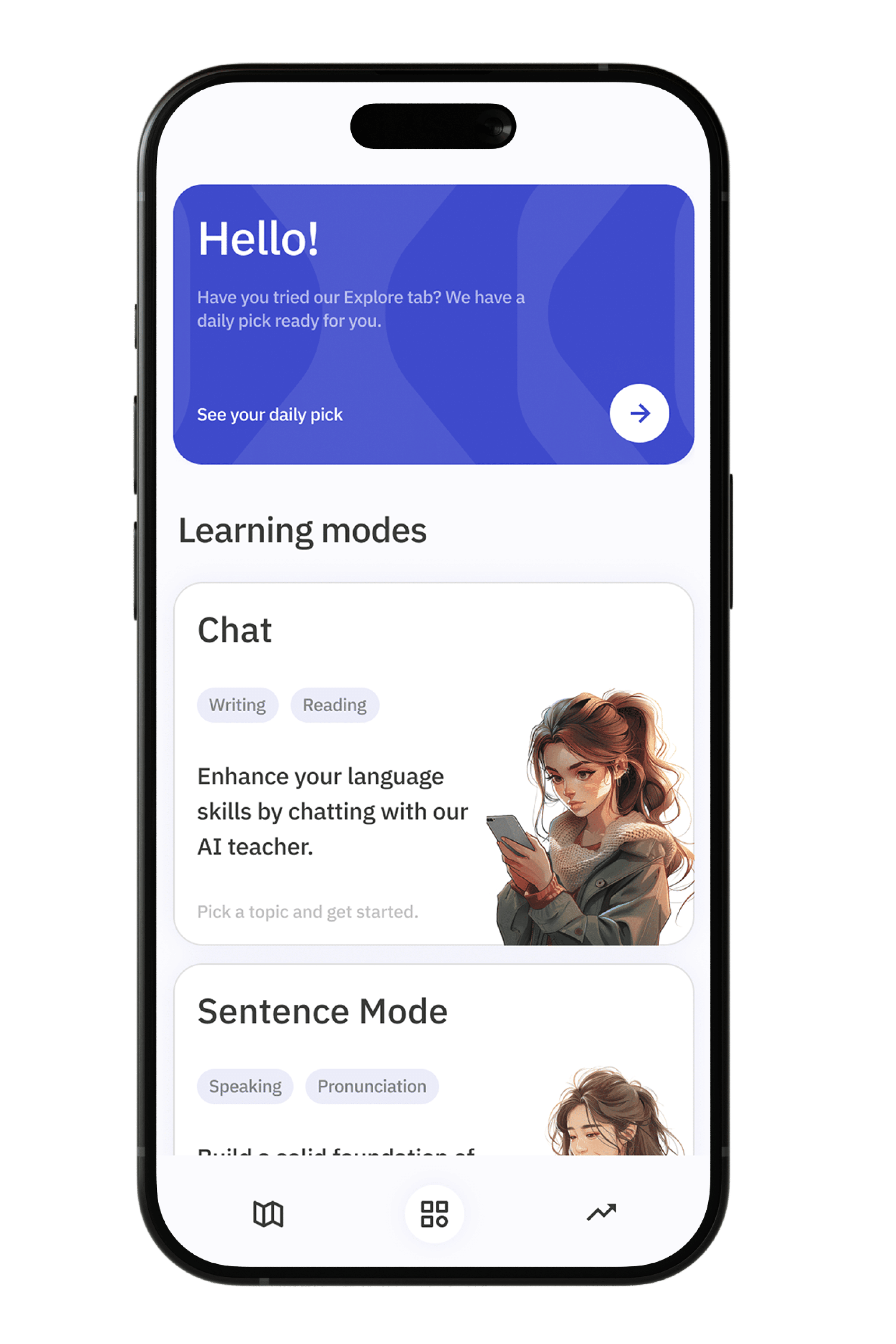
Talkpal is AI-powered language tutor. Learn 57+ languages 5x faster with innovative technology.